
State Energy Office Direct Technical Assistance
NLR and Lawrence Berkeley National Laboratory offer state energy offices direct, one-on-one technical assistance for general planning related to energy efficiency, reliability, and local energy generation.
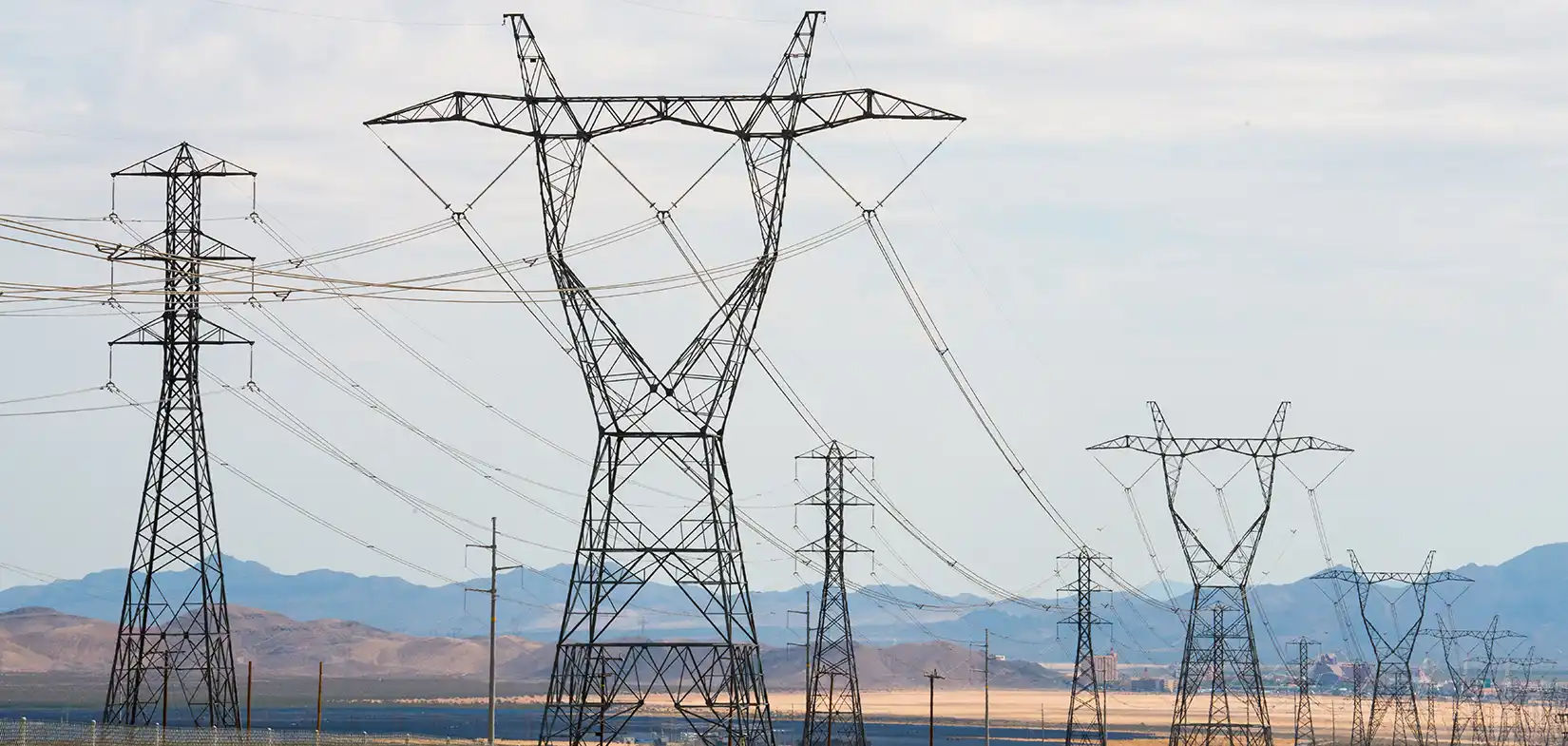
Photo by Dennis Schroeder, NLR
Completed Projects
Technical assistance, funded by the U.S. Department of Energy's State Energy Program, is ongoing. View select completed projects below.
This Kentucky projections presentation sets long-term electricity sector projections for the state using the Regional Energy Deployment System model.
An additional economic development impact analysis quantified the potential impact of developing designated sites on Kentucky's electricity load growth, providing insights at both the state and county level considering the next 10 years. This analysis explicitly incorporates and addresses key project uncertainties by developing various load growth scenarios that account for development scale, site specificity, and sector variability.
This Mid-Atlantic Cohort planning presentation summarizes key topics from Federal Energy Regulatory Commission Order 1920, Building for the Future Through Electric Regional Transmission Planning and Cost Allocation.
It highlights the main reforms from the regulation, including perspectives on how the new rules may be implemented. The presentation serves as a resource for policymakers, utilities, industry, and researchers seeking to understand how the new ruling may impact regional transmission planning.
To map and prioritize critical infrastructure, energy cost, and reliability, Minnesota developed an interactive Carto map of the pilot community as a method to support prioritization and a strategy for identifying high-priority communities for future engagement. St. Cloud was selected as a pilot community to create and update a prioritization map and adjust the analysis for future statewide scaling.
Subject matter experts developed a building code overview in response to a request from the North Dakota state energy office. This effort was part of a larger report delivered to the state, and was intended to provide access to resources from the U.S. Department of Energy that provide general information and frequently asked questions about building and energy codes:
Energy Codes 101: What Are They?
Building Energy Codes—Development, Adoption, Implementation, and Compliance.
Meeting data center demand growth in Virginia may require several options. The Virginia options presentation outlines how grid-enhancing technologies and upgrades to existing power line infrastructure could help meet demand in the short and medium term.
In addition, NLR reported on potential solutions to demand growth in Virginia to summarize project load growth in Virginia and use cases of virtual power plants. The technical analysis estimates demand flexibility technical potential across common sectors and end uses, demonstrating substantial demand flexibility potential in Virginia well above Virginia’s currently assessed demand response capacity.
Types and Topics of Assistance
The types and topics of assistance evolve with each cohort to meet states’ needs over time. Recent technical assistance topics included:
- Strategic energy planning
- Transmission and distribution planning
- Project and program financing
- Modeling and analytics.
Types of assistance included:
- Knowledge access (connecting to information, data, and tools)
- Knowledge transfer (trainings, webinars, expert guidance)
- Knowledge application (research, modeling, and analysis; markets and policy assessment; system design)
- Convening and facilitation (community engagement, facilitation, visioning, goal setting, and action planning).
Contact
Technical assistance requests are closed at this time. For more information, reach out to the State Energy Program.
Share

Last Updated Aug. 18, 2026