
NLR Water Power Newsletter, The Current, Summer 2026
In this issue, learn about NLR's water power achievements in the Accomplishments Report, hear from NLR researcher Glorynel Ojeda Matos, catch up on hydropower and marine energy news, and more.
This quarterly newsletter highlights the latest from NLR's Water Power Program.
Subscribe to Newsletter
To receive quarterly updates about NLR water power news, accomplishments, events, and more, subscribe to The Current newsletter.
SUBSCRIBEHighlight: NLR Releases Water Power Annual Accomplishments Report
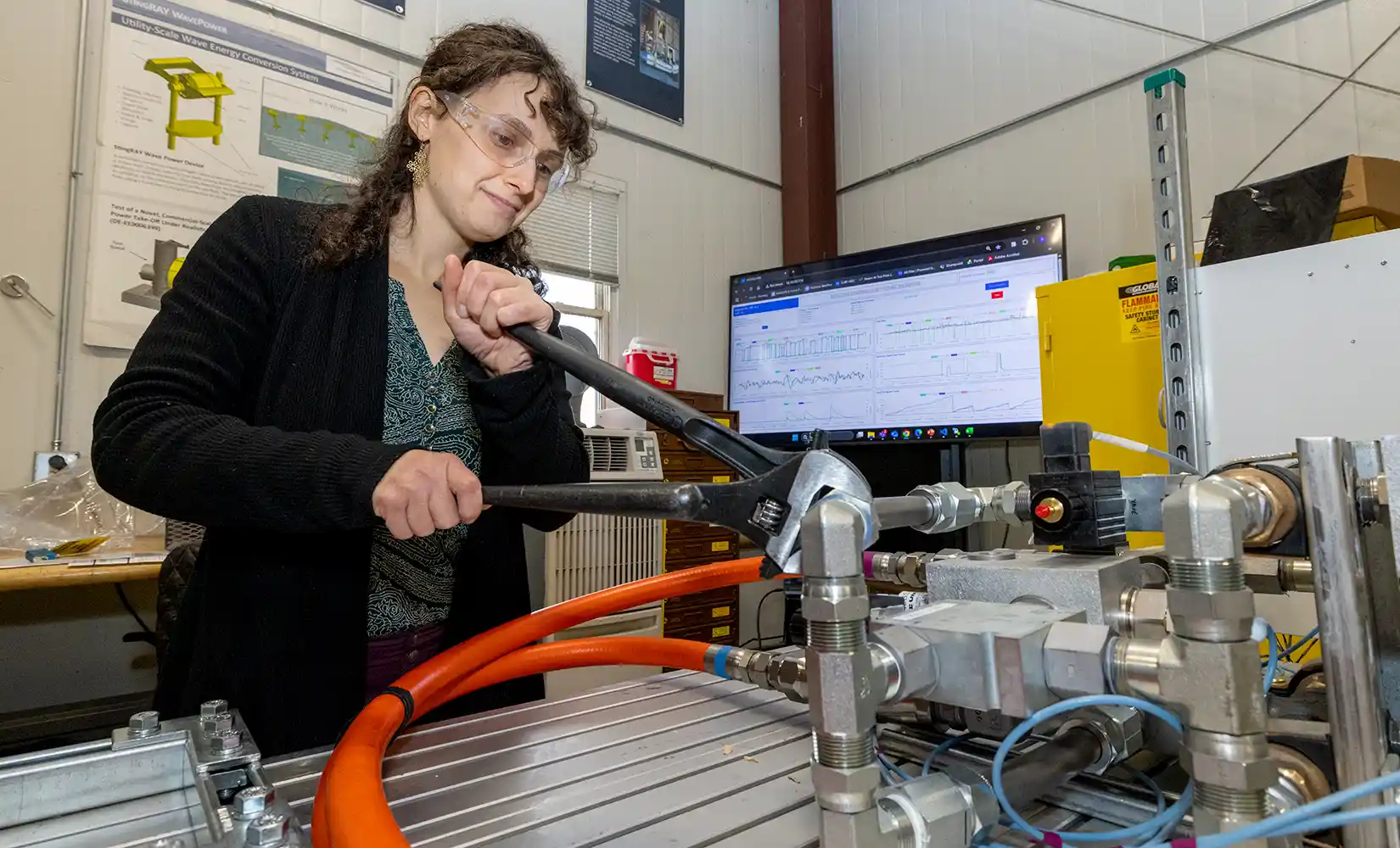
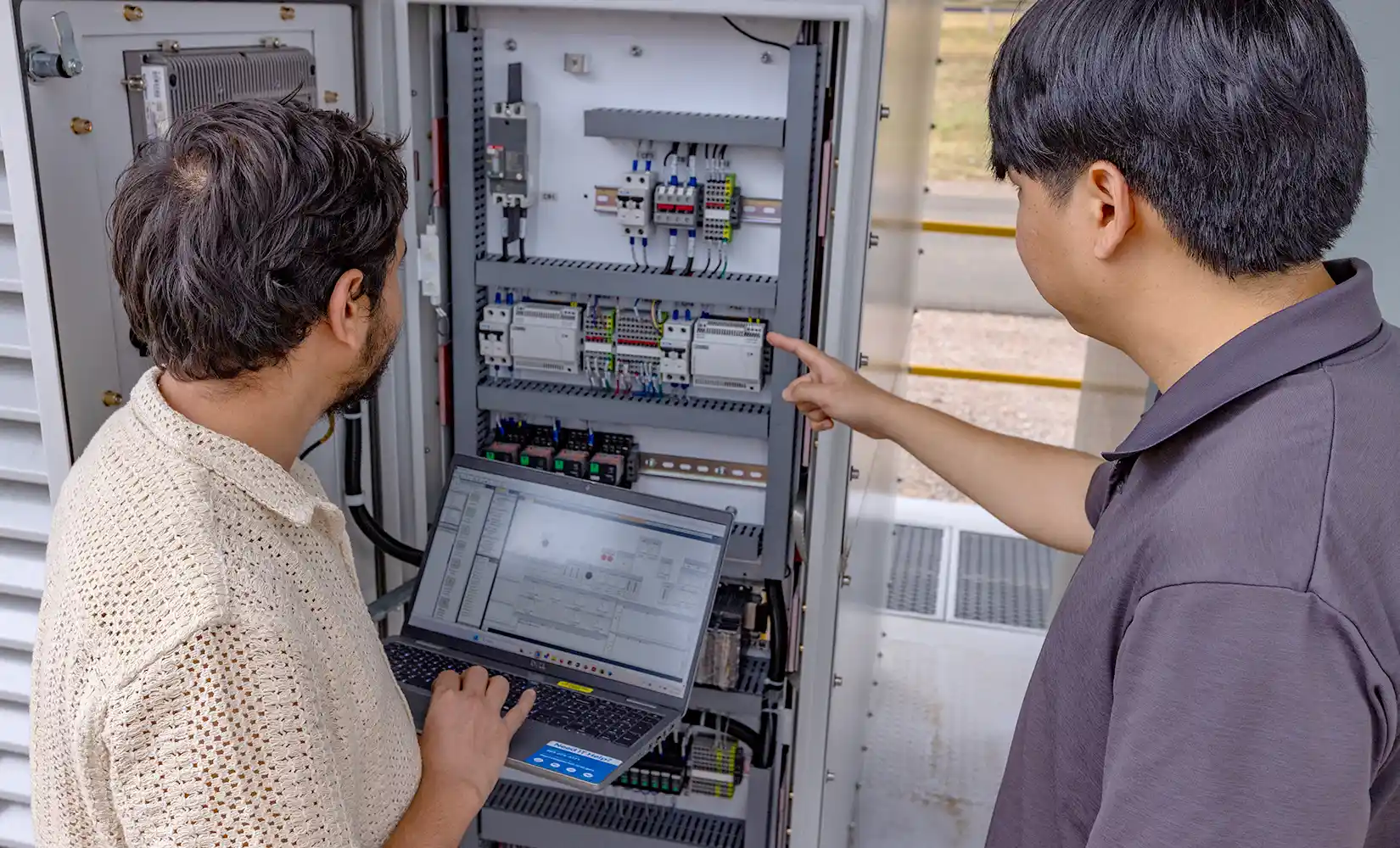
The National Laboratory of the Rockies (NLR) released its Fiscal Year 2025 Water Power Accomplishments Report, highlighting progress that continues to inform ongoing hydropower and marine energy work. From advancing pumped storage hydropower evaluation tools to supporting grid reliability and marine energy technology development, the report showcases NLR's hydropower and hydrokinetic R&D efforts to help inform a more affordable, reliable energy future.
Hydropower News
Take 10 Minutes To Shape the Future of Our Pumped Storage Hydropower Tools
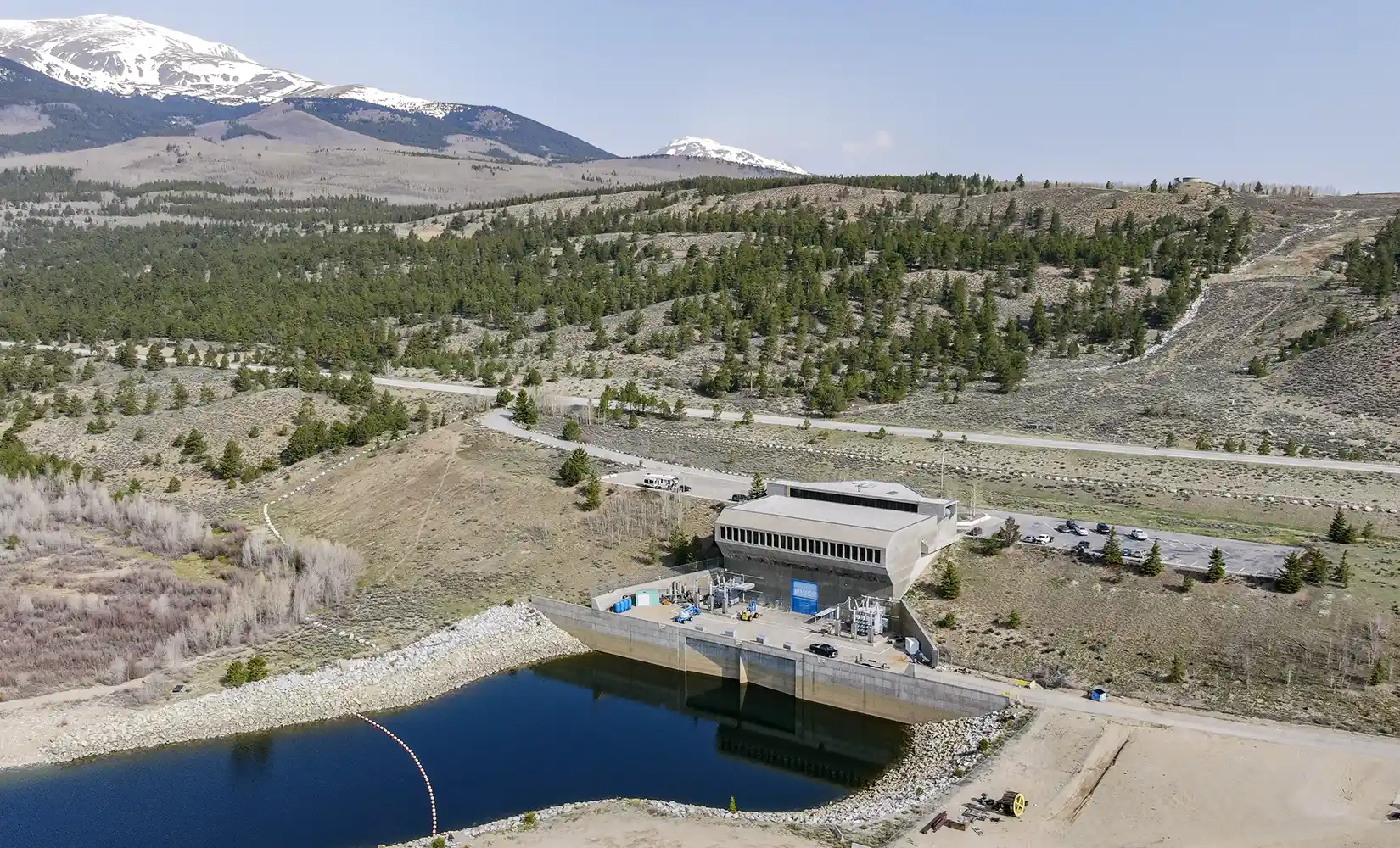
We're building an integrated ecosystem of pumped storage hydropower (PSH) tools designed to streamline the journey from site screening to cost and life cycle analysis. Now, we need your feedback. We're gathering user feedback through this Microsoft form on the PSH Resource Supply Curves map and the PSH Cost Model and Life Cycle Assessment tool to better understand what's working, what could improve, and how users want the tools to connect to one another. Whether you're deep in hydropower development or just entering the field, your insights matter.
New Report Helps Inform Utilities on How To Best Value Pumped Storage Hydropower
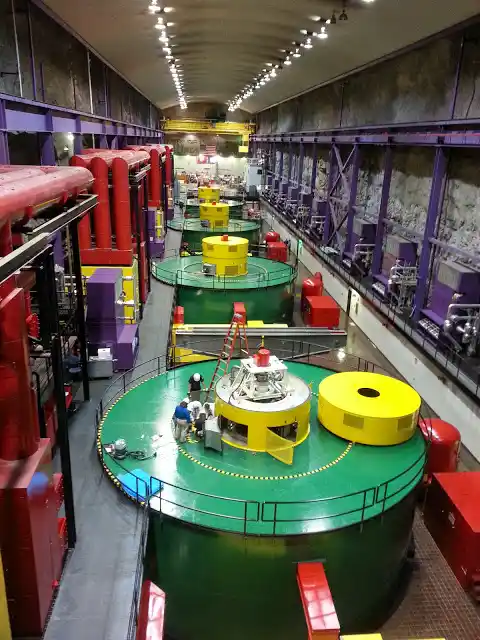
NLR, in collaboration with the Tennessee Valley Authority, has released a new technical report examining how electric utilities model and value pumped storage hydropower. The report reviews current practices and identifies opportunities to better capture the full range of grid services these systems provide—helping address long-standing challenges in assessing their true value. As power systems evolve, this work supports more informed planning and decision-making around one of the nation’s most established grid-scale energy storage technologies.
U.S. Hydropower Faces Supply Chain Challenges With Large Power Transformers
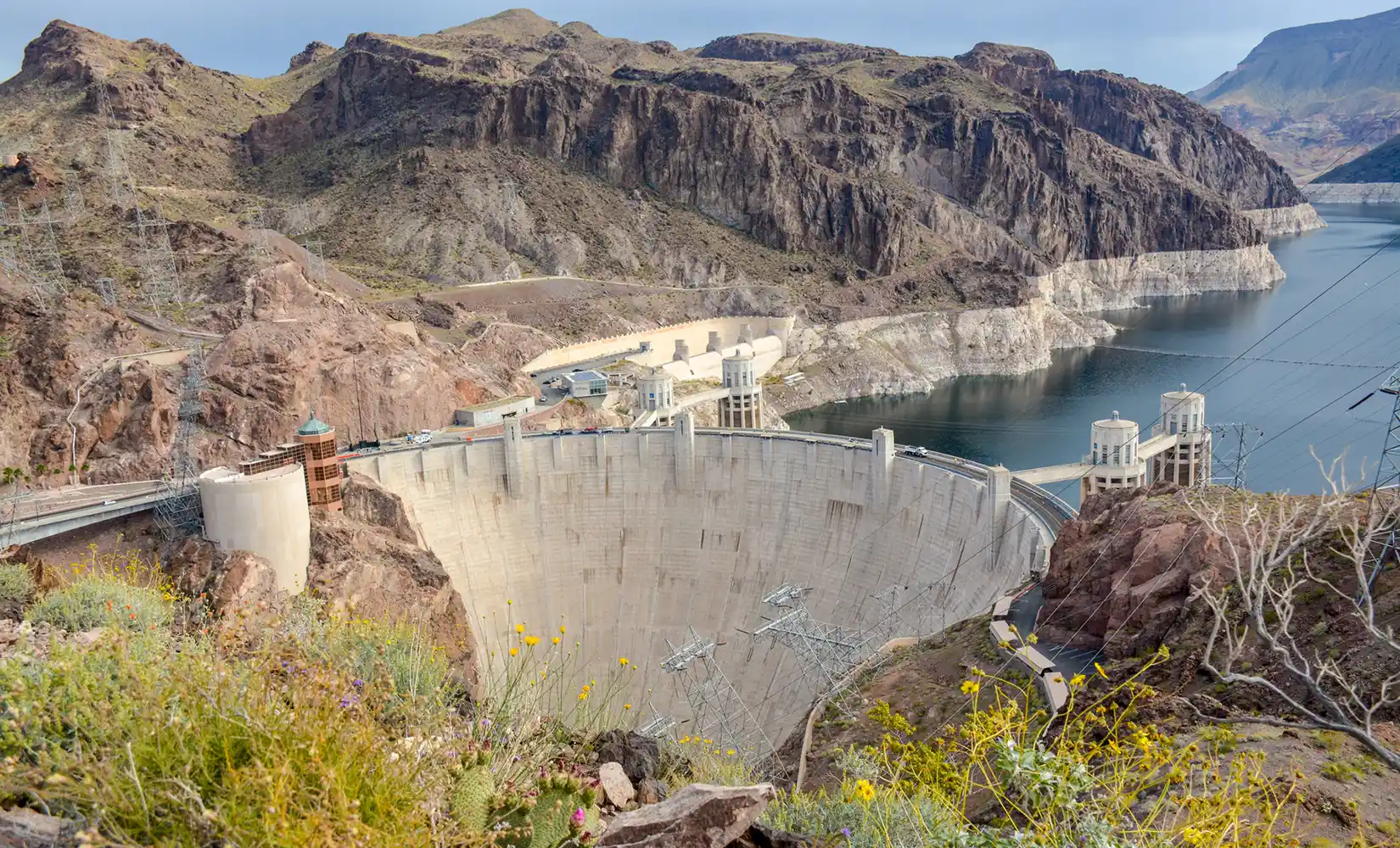
A new report, titled Large Power Transformer Supply Chain Gap Analysis and Domestic Content Strategies for Hydropower Rehabilitation: Supplemental Report, examines the U.S. supply chain for large power transformers—or LPTs—and the unique challenges that hydropower facilities face when upgrading or replacing LPTs. Drawing on feedback from hydropower industry members, researchers identified nine major LPT supply chain challenges, including import reliance, long lead times, sharp cost increases, permitting delays, transportation logistics, and others. Read the full report to learn more about these challenges.
Hydropower Publications
Loss of Glen Canyon Dam Hydropower Plant Capabilities, Argonne National Laboratory and NLR Technical Report (2026)
Challenges and Opportunities for Electric Utility Modeling and Asset Valuation Frameworks, NLR, Pacific Northwest National Laboratory, and Argonne National Laboratory Technical Report (2026)
Large Power Transformer Supply Chain Gap Analysis and Domestic Content Strategies for Hydropower Rehabilitation: Supplemental Report, NLR Technical Report (2026)
Commercialization of Pumped Storage Hydropower Technologies, Argonne National Laboratory and NLR Technical Report (2026)
Hydropower in the News
Utilities Urged To Update Models To Fully Value Pumped Storage Hydropower, International Water Power and Dam Construction (April 2026)
Hydropower Workforce Planning, NS Energy (April 2026)
DOE’s Hydropower and Hydrokinetic Office Announces Winners of the 2026 Hydropower Collegiate Competition, U.S. Department of Energy News (April 2026)
Marine Energy News
SURF-WEC Deployed Off Oahu—Live Data Now Available
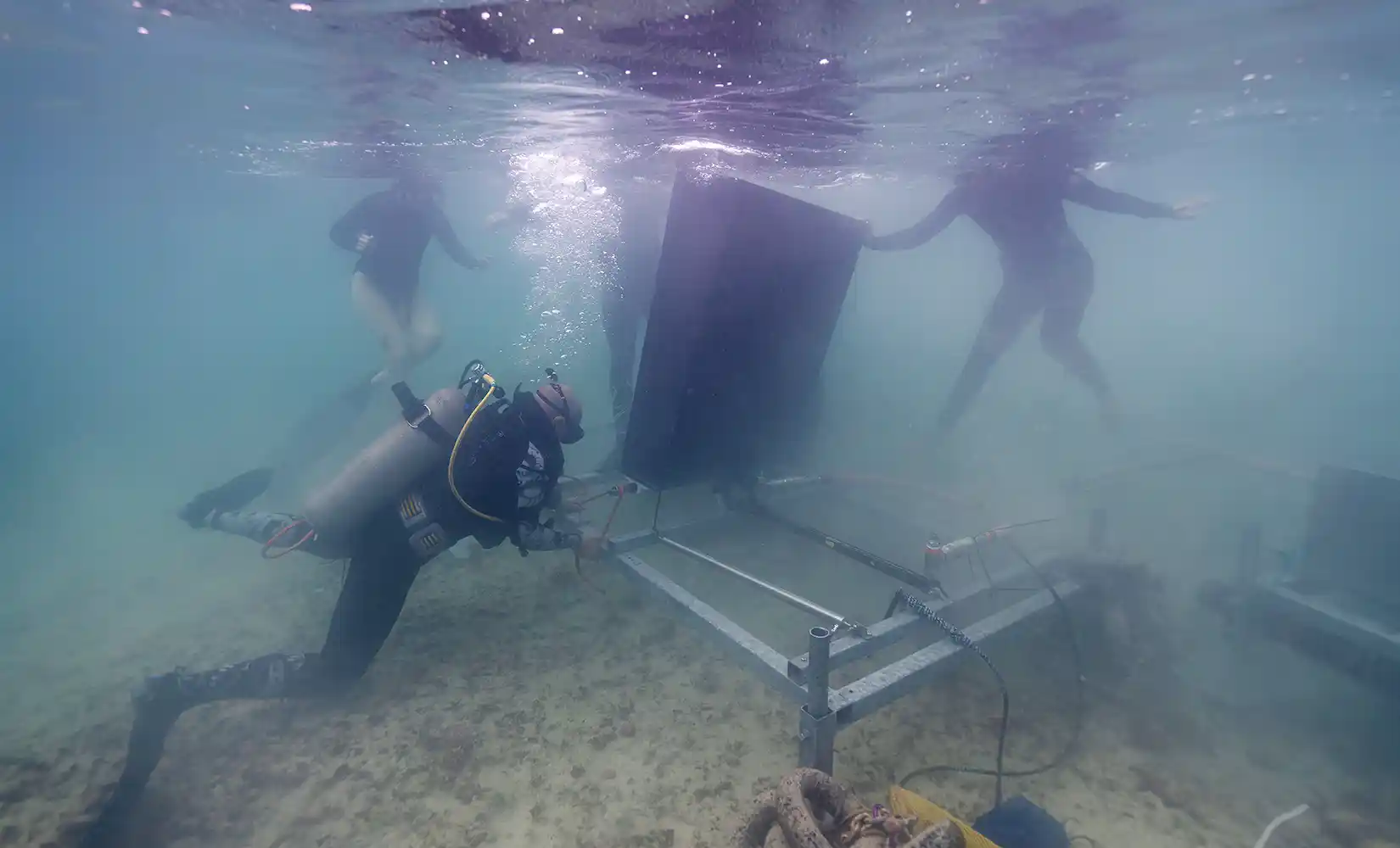
The lab has successfully deployed its Small Underwater Research Flap Wave Energy Converter (SURF-WEC) off Makai Research Pier in partnership with the University of Hawaiʻi, marking a key milestone in advancing marine energy technology development. This deployment supports real-world testing of wave energy systems and provides valuable data to help inform future designs, performance, and reliability. Users can now explore live data from the device, offering a firsthand look at how the system is operating in an open-water environment.
Riding the Ocean's Data
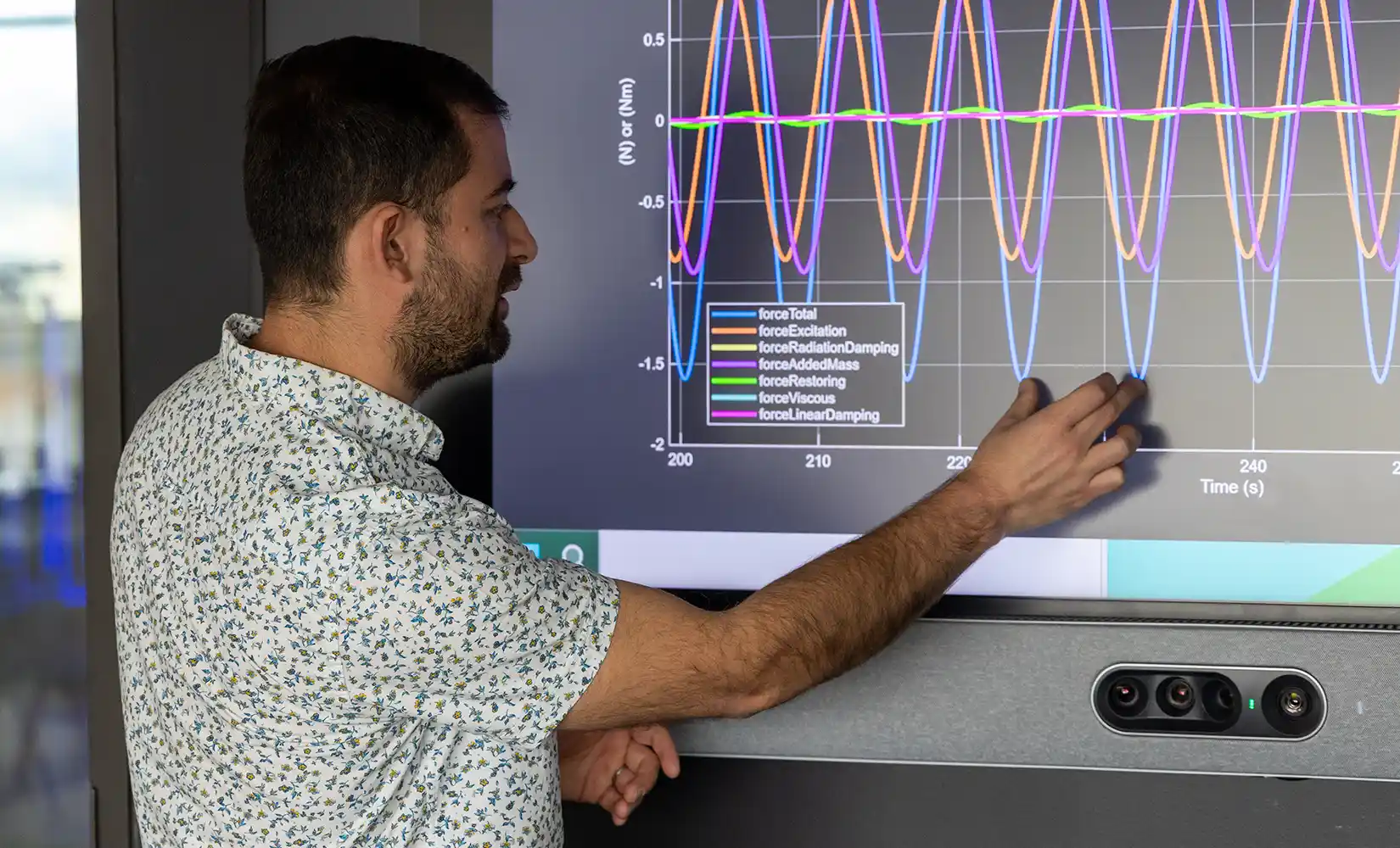
Wave energy technologies hold promise for powering autonomous underwater vehicles and remote offshore applications—but most devices are still early in development. At NLR, researchers are advancing tools like WEC-Sim and Capytaine to model device performance under realistic ocean conditions. Recent upgrades improve accuracy, flexibility, and speed, allowing developers to better predict performance, reduce risk, and refine designs before deployment. Together, these open-source tools are helping accelerate the path from concept to reliable, real-world wave energy systems.
How To Crack the Wave Energy Code
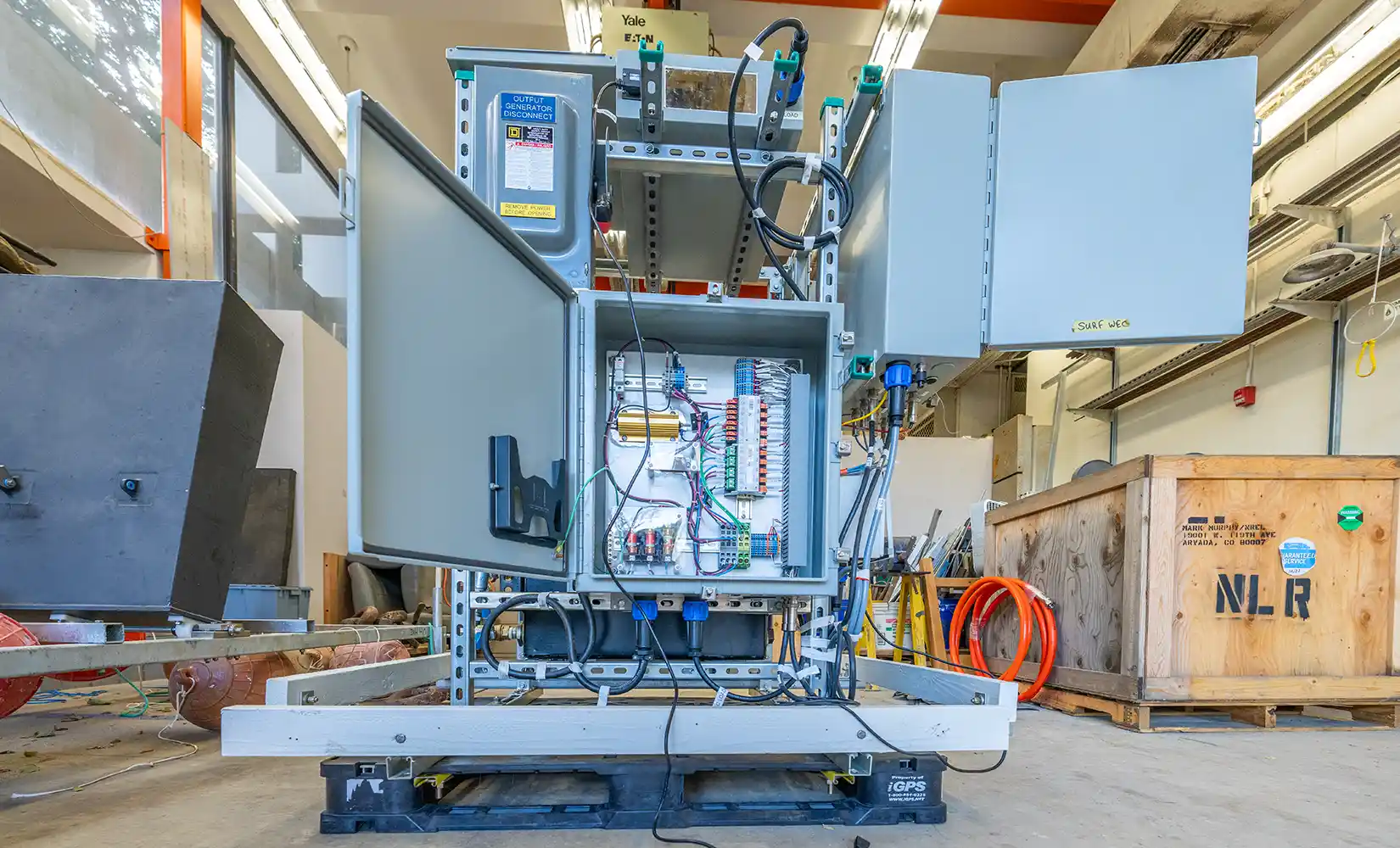
Marine energy developers are still refining early-stage technology designs. To edge them closer to commercial success, they need data to help answer critical questions—such as how a prototype performs in the ocean, how much energy it captures, and how it responds to changing conditions. With this information, teams can identify weaknesses early, improve efficiency, and design more robust systems. By enabling this kind of testing and de-risking, developers can reduce the likelihood of costly failures, avoid over- or under-engineering, and make more informed design decisions before scaling up.
That is why NLR researchers developed the Modular Open-Source Data Acquisition (MODAQ) system—a data acquisition platform that provides developers and researchers the field feedback they need to validate marine energy technologies.
NLR Helps Power Latest Round of Marine Energy Technologies
The Testing Expertise and Access for Marine Energy Research (TEAMER) program has announced its 17th round of Technical Support Recipients, with 33 marine energy projects selected to receive funding and technical assistance from TEAMER facility partners. NLR is contributing technical expertise to several of these efforts, supporting work that spans device performance, system design, and analysis. Through its role in the TEAMER network, NLR helps provide the tools and capabilities developers need to evaluate and refine their technologies. These collaborations help generate the data and insights needed to move marine energy systems toward deployment.
Marine Energy Publications
Report on Coastal Structure Integrated Wave Energy Converters, NLR Technical Report (2026)
Evaluation of 1/100-Scale Mooring Systems for Wave Energy Converters, NLR Technical Report (2026)
Multibody for Everybody: A Symbolic Dynamics Modeling Tool With Applications in Simulation, Control, and Optimization, Machines (2026)
Urban Wash-Off of Tire Wear Particles, Journal of Hydrology (2026)
Second-Order Wave Excitation Forces in WEC-Sim/MOST: Implementation, Experimental Validation, and Code-to-Code Comparison, Ocean Engineering (2026)
MODAQ 2: A Flexible, More Affordable Data System, NLR Fact Sheet (2026)
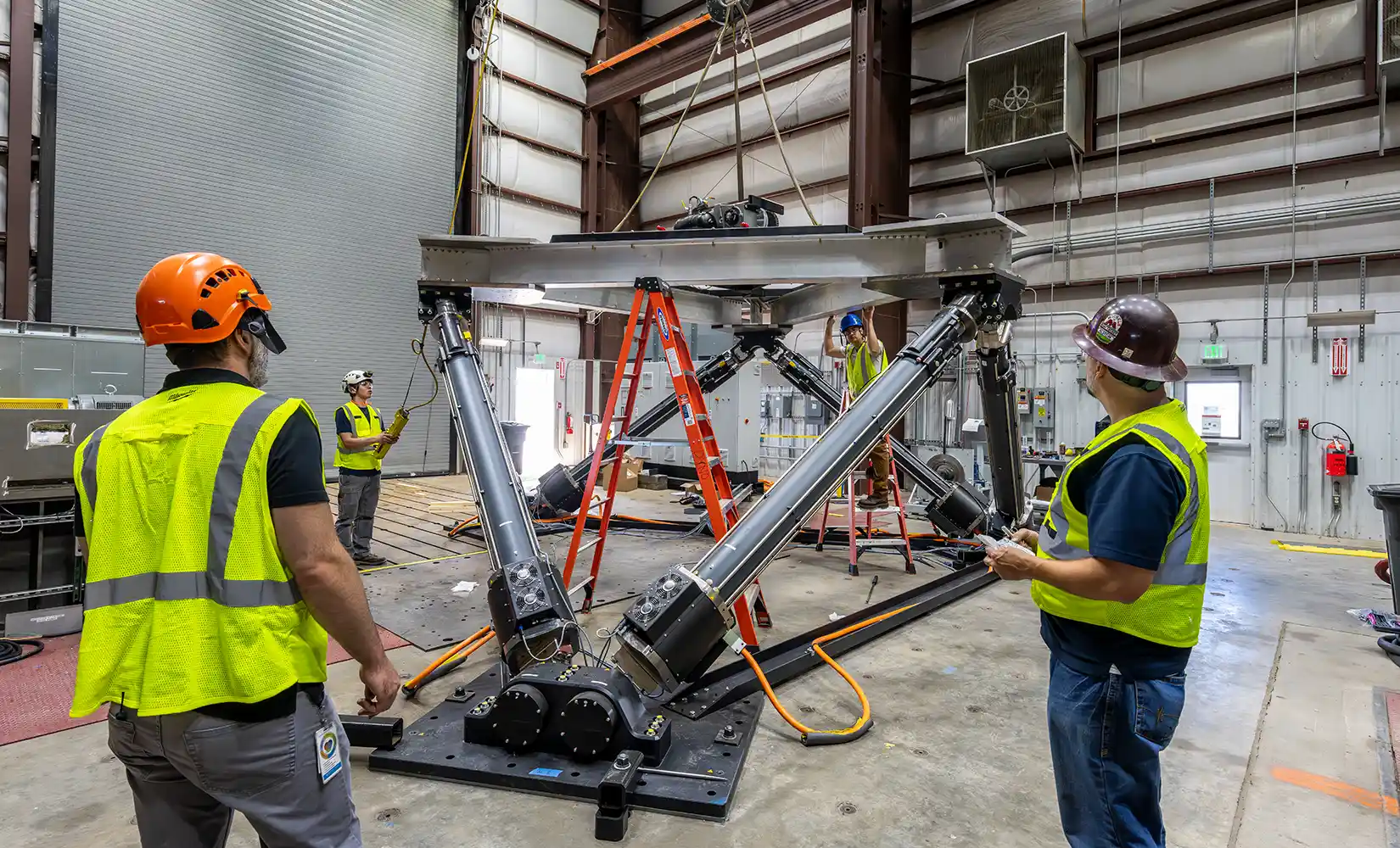
New Report Highlights Large-Amplitude Motion Platform’s Role as a Robust and Reliable System for Wave Energy Converter Testing, NLR Fact Sheet (2026)
Marine Energy in the News
Upgraded Wave-Energy Modeling Tools Could Lead to More Robust, Seaworthy Device, TechXplore (May 2026)
Eco Wave Power Highlighted in U.S. Department of Energy National Laboratory Report Emphasizing the Strong Economic and Deployment Advantages of Coastal Structure-Integrated Wave Energy, Eco Wave Power (2026)
U.S. Department of Energy Report Highlights Potential of Coastal Wave Energy, Investing.com (February 2026)
Riding the Ocean’s Data, Clean Technica (May 2026)
U.S. Program Selects 34 Marine Energy Projects for Technical Support in Record $4.8 million Round, Offshore Energy (May 2026)
Beneath the Surface: Glorynel Ojeda Matos

In this recent feature, NLR researcher Glorynel Ojeda Matos shares how her lived experience growing up in Puerto Rico—where hurricanes exposed the deep interconnections between water and power systems—continues to shape her work today. Now at NLR, she partners with communities, utilities, and decision makers to develop practical, place-based solutions that help keep critical infrastructure running when it matters most. Her work highlights the importance of integrated systems thinking in supporting more reliable energy and water systems.
STEM, Competitions, and Workforce News
Winners of 2026 Marine Energy and Hydropower Collegiate Competitions Announced; 2027 Teams Selected
Two teams have snagged the top prizes in the 2026 Hydropower and Marine Energy Collegiate Competition finals, and 45 others have risen to the top of a record-shattering applicant pool to clinch their spots for next year's showdowns.
California Polytechnic State University, San Luis Obispo, claimed the grand prize at the fourth annual Hydropower Collegiate Competition final event in Green Bay, Wisconsin. And University of Southern California claimed the same high honor at the seventh annual Marine Energy Collegiate Competition finals in Portland, Oregon.
On May 14, DOE announced on their website a roster of 45 teams selected for the 2027 Hydropower Collegiate Competition and Marine Energy Collegiate Competition, marking the first time in competition history that the number of teams that applied exceeded the number allowed to compete.
Check out the full list of winners on the DOE website from 2026 and the teams selected to compete in 2027.
Events and Opportunities
NLR Researchers To Present at University Marine Energy Research Community 2026
NLR researchers will be attending and presenting at the 2026 University Marine Energy Research Community + Marine Energy Technology Symposium Conference, taking place Aug. 4–6, 2026, in Hoboken, New Jersey. The event brings together researchers, industry leaders, and national laboratory experts to share the latest advances in marine energy technologies and foster collaboration across the sector.
Marine Energy Microgrid and Power Electronics Webinar Series
NLR is hosting a Marine Energy Microgrid and Power Electronics Webinar Series to provide an introduction to its water power facilities and capabilities. The series features marine energy technologies such as modeling tools and hardware-in-the-loop capabilities.
Upcoming Webinar:
Title: Microgrid Power Hardware-in-the-Loop Modeling
Date: Aug. 10, 2026
Time: 12 p.m. MT
Info: This webinar will demonstrate NLR's power hardware-in-the-loop microgrid model for marine energy integration with microgrid testing. The demonstration will feature a repurposed tidal energy generator mounted on NLR's 20-kW test bench connected to a bidirectional grid emulator and a hardware-in-the-loop device.
Webinar: From Design to Ocean Deployment—Lessons Learned From the SURF-WEC Project in Hawaii
Join PRIMRE for an in-depth webinar exploring the development and deployment of the Small Underwater Research Flap Wave Energy Converter (SURF-WEC). Developed by the National Laboratory of the Rockies in partnership with the Hawaiʻi Marine Energy Center, the 1-meter by 1-meter oscillating surge wave energy converter was successfully deployed off the coast of Oahu and is providing valuable insights into marine energy technology development and ocean testing.
Webinar Details:
Title: From Design to Ocean Deployment: Lessons Learned From the SURF-WEC Project in Hawaii
Date: Aug. 11, 2026
Time: 1–2 p.m. MT (7–8 p.m. UTC)
TEAMER Request for Technical Support Opportunities: Upcoming Application Deadlines
The TEAMER program provides access to technical expertise and facilities to help marine energy developers evaluate, test, and advance their technologies. Through targeted technical support, selected projects can engage national laboratories and industry experts to address specific challenges in design, modeling, and performance. NLR is one of the participating TEAMER facilities, contributing expertise in areas such as numerical modeling, system analysis, and performance assessment to support project teams as they refine and validate their technologies.
Applications are now open for upcoming rounds:
Request for Technical Support 19: Due Oct. 2, 2026
More information on eligibility and the application process is available through the TEAMER program.
Want More?
Subscribe to The Current to get the next water power newsletter in your inbox.
For the latest from DOE's Hydropower and Hydrokinetics Office, sign up for its water power newsletter. Have a more general question or can't find what you're looking for? Send us an email at water.power@nlr.gov.
Share

Last Updated Aug. 3, 2026