
US Hydropower Faces Supply Chain Challenges With Large Power Transformers
New Report Identifies 9 Unique Challenges That Hydropower Facilities Face When Upgrading or Replacing Large Power Transformers

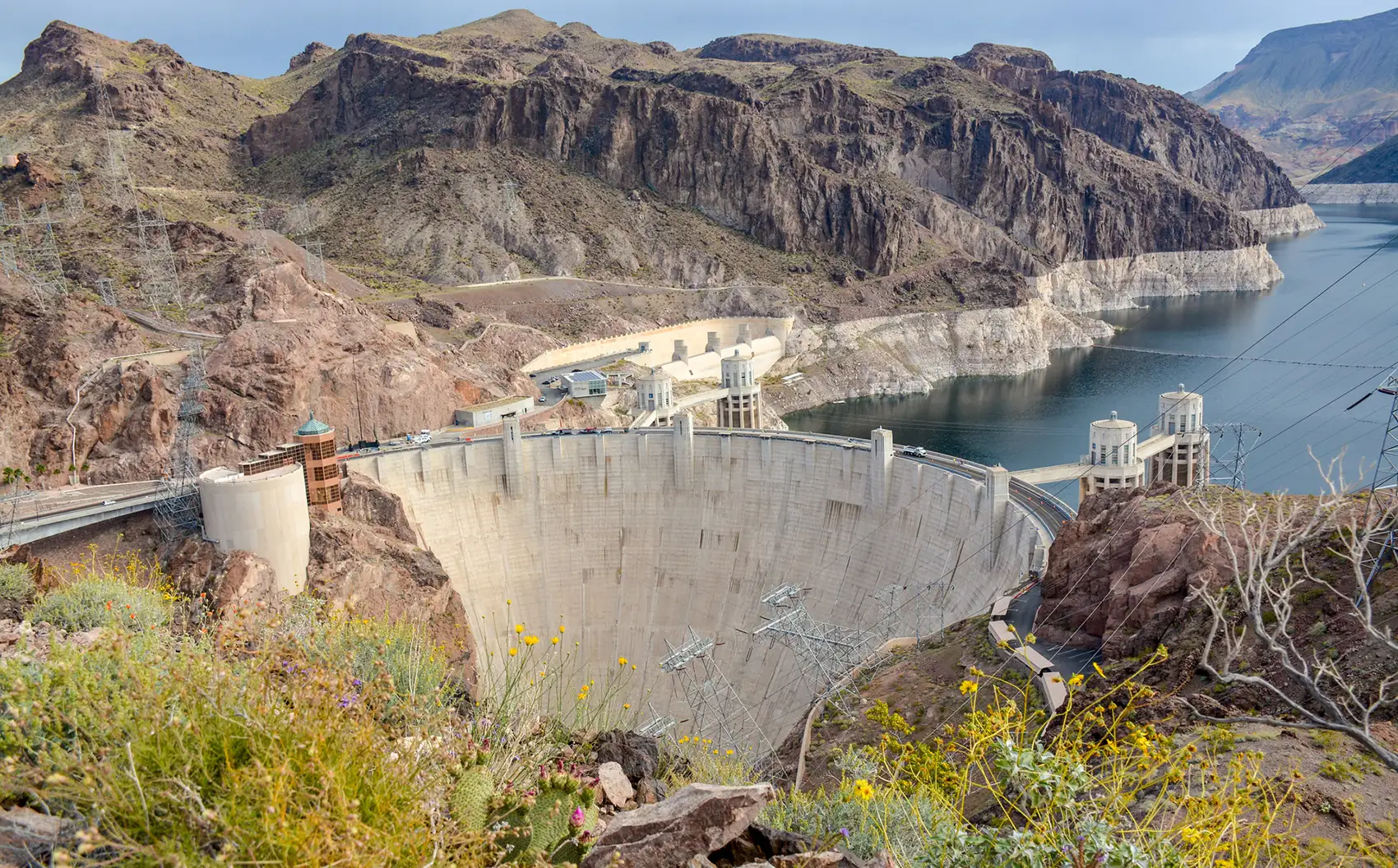
The National Laboratory of the Rockies (NLR) just released a report examining the U.S. supply chain for large power transformers, or LPTs. The latest report, titled Large Power Transformer Supply Chain Gap Analysis and Domestic Content Strategies for Hydropower Rehabilitation, focuses specifically on the unique challenges that hydropower facilities face when upgrading or replacing LPTs.
LPTs are vital to U.S. hydropower operations. These massive, custom-built devices drastically increase the voltage of electricity generated by hydropower turbines for long-distance transmission, allowing the electricity to efficiently travel across the grid to meet demand where it is needed. And while the report addresses how LPT supply chain challenges impact hydropower projects, it is important to note that LPTs are critical to the nation’s power grid at large. More than 90% of power consumed by Americans passes through high-voltage transformers at some point.
The new report builds on the U.S. Department of Energy’s (DOE’s) Hydropower Supply Chain Gap Analysis, which makes actionable recommendations to address five gaps in the domestic hydropower supply chain. A robust domestic supply chain—including one for LPTs—is critical to support new construction and upgrades, refurbishments, and relicensing activities at existing hydropower facilities. These types of improvements will allow hydropower—which makes up more than 6% of total U.S. electricity generation—to continue playing a key role in the grid.
DOE’s Hydropower and Hydrokinetic Office (H2O) funded this follow-on report to better understand challenges specifically related to the LPT supply chain. Drawing on feedback from hydropower industry members, researchers identified nine major LPT supply chain challenges:
- 80% import reliance: U.S. LPT manufacturers rely heavily on imported raw materials like grain-oriented electrical steel and refined copper.
- Limited capacity for domestic manufacturing and assembly: Domestic manufacturing capabilities have grown in recent years but not enough to meet rising demand. Additionally, only a handful of facilities worldwide can manufacture extra-high-voltage units.
- Long lead times: The procurement timeline for a typical LPT (rated to handle 100 megavolt-amperes of electrical power) is approximately 2.5 to 3 years and up to 5 years for extra-high-voltage LPTs.
- Sharp cost increases for LPTs: Transformer costs have increased significantly since 2021, with prices rising approximately 80% in 2025. The cost of a single unit can be as high as $10 million.
- Shortage of skilled workers and manufacturing expertise: Manufacturers and vendors of hydropower components struggle to find workers with more than 10 years of industry experience. As these industries have been offshored over the last several decades, skilled workers have retired or moved to other industries.
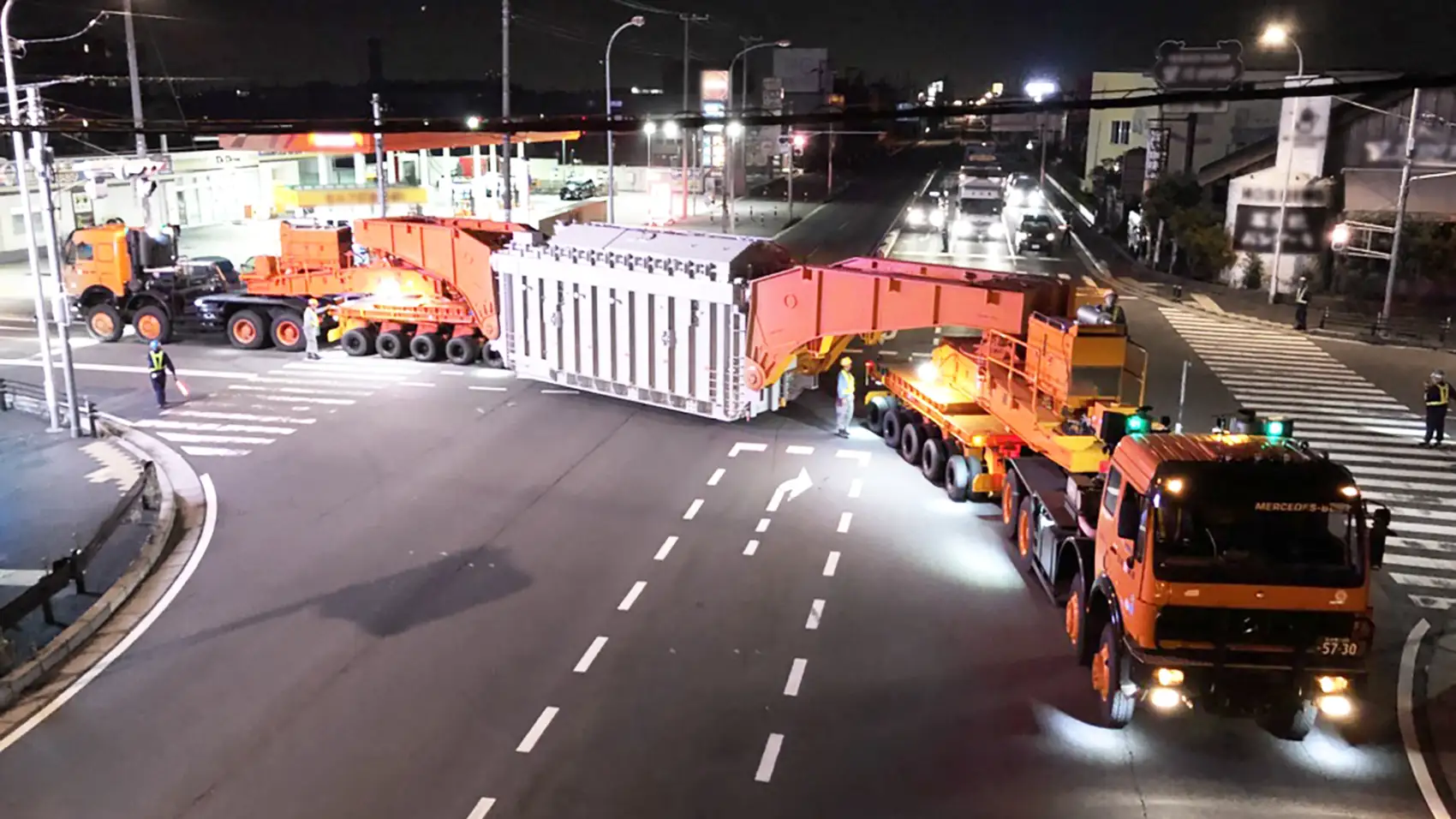
- Logistics and transportation challenges: Transport logistics are particularly complex for hydropower LPTs because many hydroelectric dams are difficult to reach due to rugged terrain or remote locations. There is a limited domestic fleet of specialized vehicles that can transport LPTs to these places, and routes require special permits for oversized loads.
- Permitting and regulatory delays: Safety and environmental regulatory procedures can pose delays for transformer replacements, especially when removing an old transformer and installing a new one.
- Trade dynamics and their impact on the LPT supply chain: Shifting trade dynamics may increase the baseline costs of copper and steel. The hydropower industry will need to monitor these supply chain variables to mitigate impacts on LPT procurement.
- Federal contracting procedures and domestic content laws: There are several procurement regulations and/or general practices that pose industry concern about near-term supply chain bottlenecks and grid reliability as domestic production capacity struggles to meet ongoing demand.
With these challenges now defined, the hydropower industry can begin seeking solutions. These insights can be used to inform government policies, incentives, loan programs, and technology investments to encourage domestic content and U.S. manufacturing growth. Further, the identified challenges can help focus workforce development efforts in areas that will support the domestic LPT supply chain as it relates to hydropower.
The Large Power Transformer Supply Chain Gap Analysis and Domestic Content Strategies for Hydropower Rehabilitation builds on both the Hydropower Supply Chain Gap Analysis and the Hydropower Supply Chain Deep Dive Assessment. All three reports have been funded by DOE’s H2O.
Learn more about NLR’s hydropower research and subscribe to The Current—NLR's water power newsletter—to stay up to date on the latest news.
Last Updated April 28, 2026