
The Fast Lane: 3 Ways Geothermal Companies Can Get More Heat
Geothermal Energy Has Enormous Potential. These 3 Technologies Could Help the Industry Dig Deeper, Hotter, and More Profitable Wells.

“The Fast Lane” series zooms in on some of the thousands of technologies born in the National Laboratory of the Rockies that companies can license today. This iteration focuses on technologies that could help geothermal companies maximize energy generation and profits.
In 1970, a team of Russian engineers started drilling what would end up being the deepest human-made hole on Earth. The so-called Kola Borehole took 20 years to dig and plummets more than 7.5 miles below a red-tinged Russian tundra.
Why stop there? At that depth, temperatures soared above 350 degrees Fahrenheit. Rock oozed, honey-like. Drills got stuck; wires shorted; money ran out. The equipment—and their human builders—had reached their limit.
Today’s geothermal energy companies are also drilling holes, if not quite so deep (though a Norway project recently cut six miles below the surface). Although heat stored in the Earth’s crust accounts for just 1% of the United States’ total energy generation, the geothermal industry’s potential is hot—like power every home in the United States hot. But that potential only heats up if wells go deeper and temperatures rise.
Just like the Kola Borehole, equipment and financial limits can prevent geothermal companies from accessing the hottest resources underground.
But do not sweat: Experts at the National Laboratory of the Rockies (NLR) have built a few depth-defying technologies that can thrive in the extreme environments beneath the Earth’s crust. They also created a modeling tool that can help developers better understand a site’s long-term economic potential. The best part? These tools are already available for use today. In fact, companies can peruse thousands of licensable technologies from all U.S. Department of Energy national laboratories on the Lab Partnering Service website.
If your company does find a new method or device but would like assistance applying it to your industry, you can also partner with a national laboratory, like NLR, and gain access to its researchers, facilities, and knowledge.
To get started, here are three licensable technologies bucketed into three themes. All three could help companies—and the country—profit from the Earth’s hottest commodity.
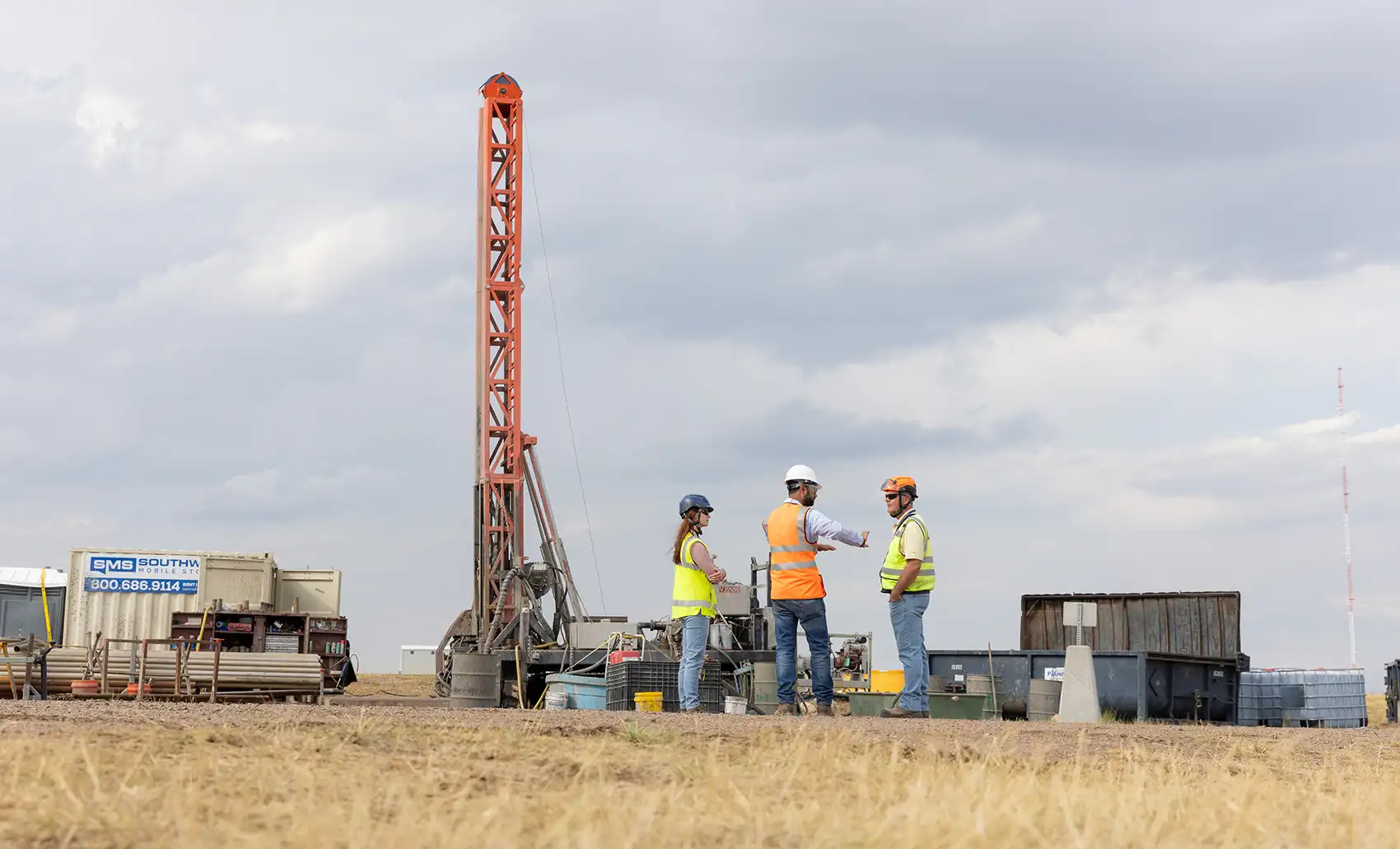
#1: How To Power Your Dig at the Drill
Who could benefit: Companies drilling geothermal wells (or even oil and gas wells) or operating nuclear facilities, mines, or the electric grid.
What is the goal: To make it faster and cheaper to drill deep.
Why it matters: Geothermal resources located less than three miles below the Earth’s surface could generate about 42 terawatts of power over 20 years—that is more than double the energy demand of the entire planet. And, according to the International Energy Agency, that potential rises to 550 terawatts if companies could access deeper depths. Potential profits rise, too: The more concentrated the heat, the more power a geothermal plant could generate with the same equipment.
The challenge is going deep without going broke.
Even a few miles beneath the Earth’s crust, temperatures and pressures can wear away wires, hard rock eats at drill bits and stagnates progress, and cramped spaces can only accommodate compact devices.
But one NLR invention could make it more efficient and economical to dig deep. The high-temperature alternator—a device that transforms mechanical energy into electricity—can perform reliably in temperatures up to almost 500 degrees Fahrenheit.
Today, many geothermal companies power their drills using generators that sit on the surface. But to do that, they must transfer that electricity to their down-hole equipment using wires—wires that do not survive long in high temperatures, can tangle when they dangle, and shed—or lose—a portion of the electricity the farther it has to travel. Extra energy and equipment replacements can skyrocket costs long before a well can start generating profits.
But with this high-temperature alternator, companies can create electricity with a generator that sits right by their drill bit, even as depths and temperatures rise. Rather than dangle wires, these in-well generators create electricity from the steel drill string rotating in the hole. Because steel survives well in extreme environments, this high-temperature alternator can help companies avoid wasting time and money pulling up dead equipment and, instead, keep drilling toward profits.
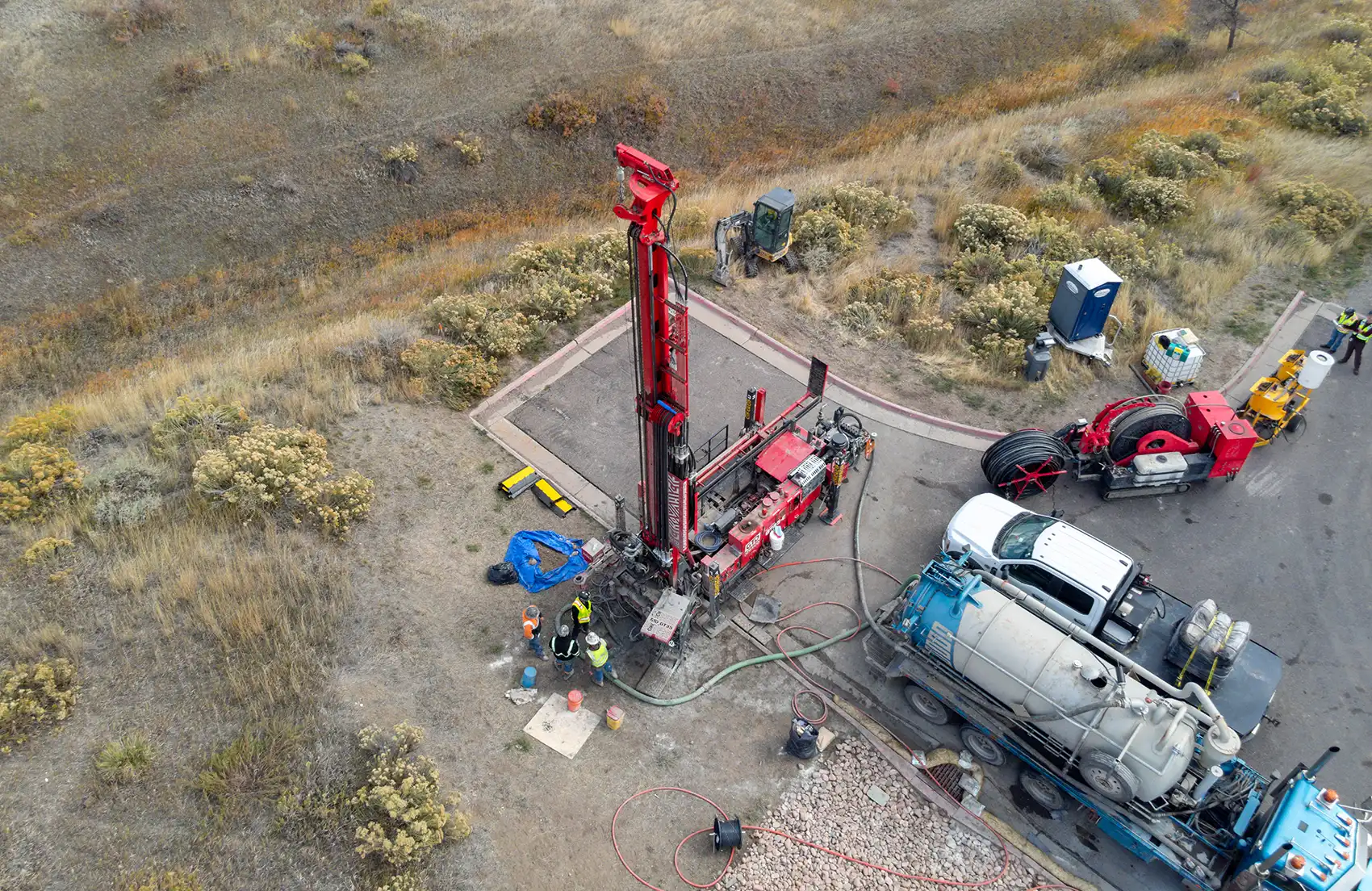
#2: Reliable Eyes That Survive the Deepest Wells
Who could benefit: Geothermal energy developers.
What is the goal: To save geothermal developers time and money so they can access resources previously thought to be out of reachl
Why it matters: Laptops have fans for a reason: Electronics do not like heat. But geothermal developers need electronics that can spelunk into temperatures hot enough to melt lead. Specifically, they need sensors—essentially their eyes in the underground dark—to see if their drill skews horizontal, hits impenetrable rock, or encounters equipment-corroding chemicals.
And heat is not the only threat. Deep underground, pressures can reach 2,000 atmospheres (almost double the pressure found in the deepest part of the oceans), harsh acids can degrade steel, and vibrations can shatter sensors. If electronics cannot withstand these conditions for long, companies must pull them back up to surface—sometimes a multimile trip—to fix or replace them. New equipment costs money. And, as they say, time is money, too. Equipment fixes cost both.
Luckily, an NLR invention could help electronics endure even the most extreme environments. Most commercially available electronics can only work well in temperatures up to about 350 degrees Fahrenheit. But the laboratory’s hardy sensor uses a new class of semiconductor (which is built with gallium nitride, silicon carbide, and other heat-tolerant materials rather than traditional silicon) and can run reliably even if temperatures soar to lead-melting heights.
These heat-resistant eyes could give geothermal developers reliable insight even in the deepest wells, so they can access powerful reservoirs previously thought to be too hot or too expensive to reach.
#3: Check the Temperature Before Your Dig Heats Up
Who could benefit: Geothermal developers.
What is the goal: To estimate the lifetime economic potential of a new geothermal project.
Why it matters: Hardy technologies that can bore better, faster, and deeper can help geothermal developers cut costs. But even so, companies must still spend a borehole-sized amount of capital—often close to $1 million—long before they hope to turn a profit. Holes must be dug. Deep holes cost more (even if their potential profits could be greater). And what developers will find underground is not always clear.
But NLR's GEOPHIRES tool can help a developer determine if their dig is worth the debt before they break ground.
GEOPHIRES is a publicly available software modeling tool that companies can use to estimate their capital, operation, and maintenance costs based on their site’s specific features and estimate potential profits, depending on what kind of energy they plan to generate and where. A company can plug in their anticipated construction timeline, reservoir depth and type, and power plant format, as well as additional influential factors, like inflation rates, electricity sales prices, exploration capital costs, and even property taxes. The tool then offers them projected lifetime profits, return on investment timeline, and other data that can help developers reduce uncertainty and better understand their site’s long-term economic potential.
The tool also includes case studies, so companies can see real-life example digs or tweak a similar project rather than start from scratch. One case study, for example, focuses on the 500-megawatt Cape Station geothermal plant in Utah. The GEOPHIRES tool estimates that project could net more than $180 million over its lifetime—meaning, even after the hefty initial investments, their project is expected to generate both reliable electricity and profits.
Geothermal resources are “always on,” and some reservoirs could last for decades or even centuries, which means these power plants can provide a steady source of energy and income. Some developers and investors might still get scared away by high upfront costs. But GEOPHIRES helps calm those fears, giving companies a way to see just how hot their potential could get.
Explore thousands of licensable technologies, methods, and tools that could help you do what you do best. Learn more about NLR's research on critical minerals. And visit NLR's licensing page to learn more about how to make our technologies work for your business.
Last Updated April 28, 2026