
Sienna Grid Modeling Team Puts Power in the Hands of People
Researchers Equip Organizations Across the Country With Skills To Tackle Their Transmission Planning Challenges
Different states have different populations, different landscapes, and different industries, yet they are asking the same question: How do we affordably and reliably meet rising energy demand?
Grid researchers at the National Laboratory of the Rockies (NLR) have the grid transmission analysis tools to answer that question and are teaching state energy offices and public utility commissions across the country how to use them.
Through various technical assistance programs, like FERC 1920 technical assistance funded by the U.S. Department of Energy Office of Electricity, NLR is training states across the country to use Sienna, an open-source power systems modeling platform designed to represent modern electric grids. As part of these technical assistance efforts, the Sienna team supports state energy offices and public utility commissions in developing their own system models, enabling them to generate data-informed insights for effective energy planning.
“We’re prioritizing bringing high-impact value to our state partners, which means not just answering the grid planning questions they have today but equipping them with tools and skills to be able to answer their questions in the future,” said NLR Senior Energy Policy and Regulatory Analyst and FERC 1920 Technical Assistance Lead Faith Smith.
Empowering Planners Through Personalized Trainings
The Sienna modeling framework allows users to simulate power systems operations and analyze complex challenges related to system scheduling, resource integration, and transmission performance. At NLR, Sienna has become a leading platform for transmission analysis.
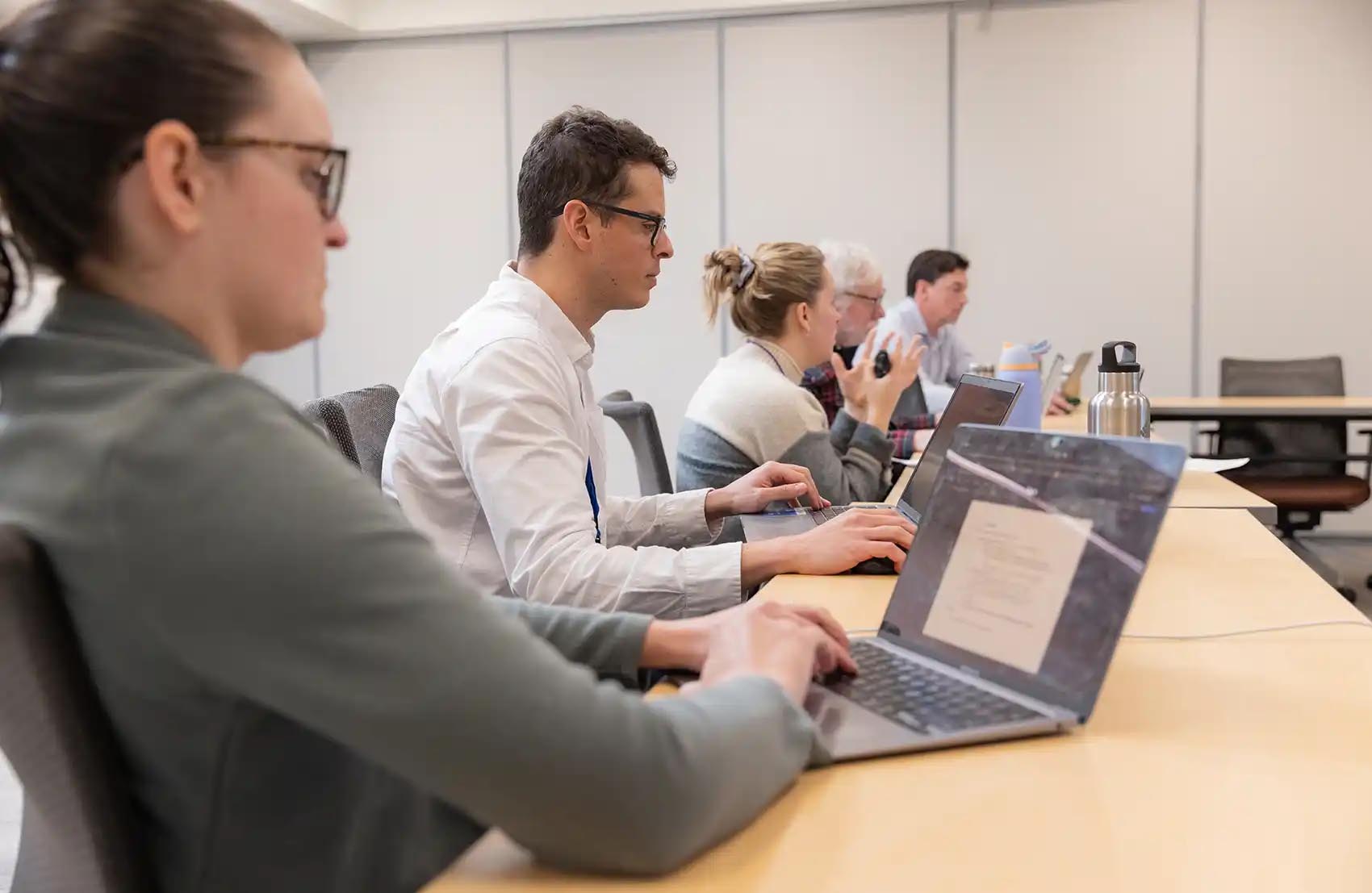
To harness that capability and amplify it beyond the walls of the laboratory, the Sienna team developed a specialized training program that equips energy planners of all modeling backgrounds with the tools and knowledge needed to build and analyze models of the systems in their localities.
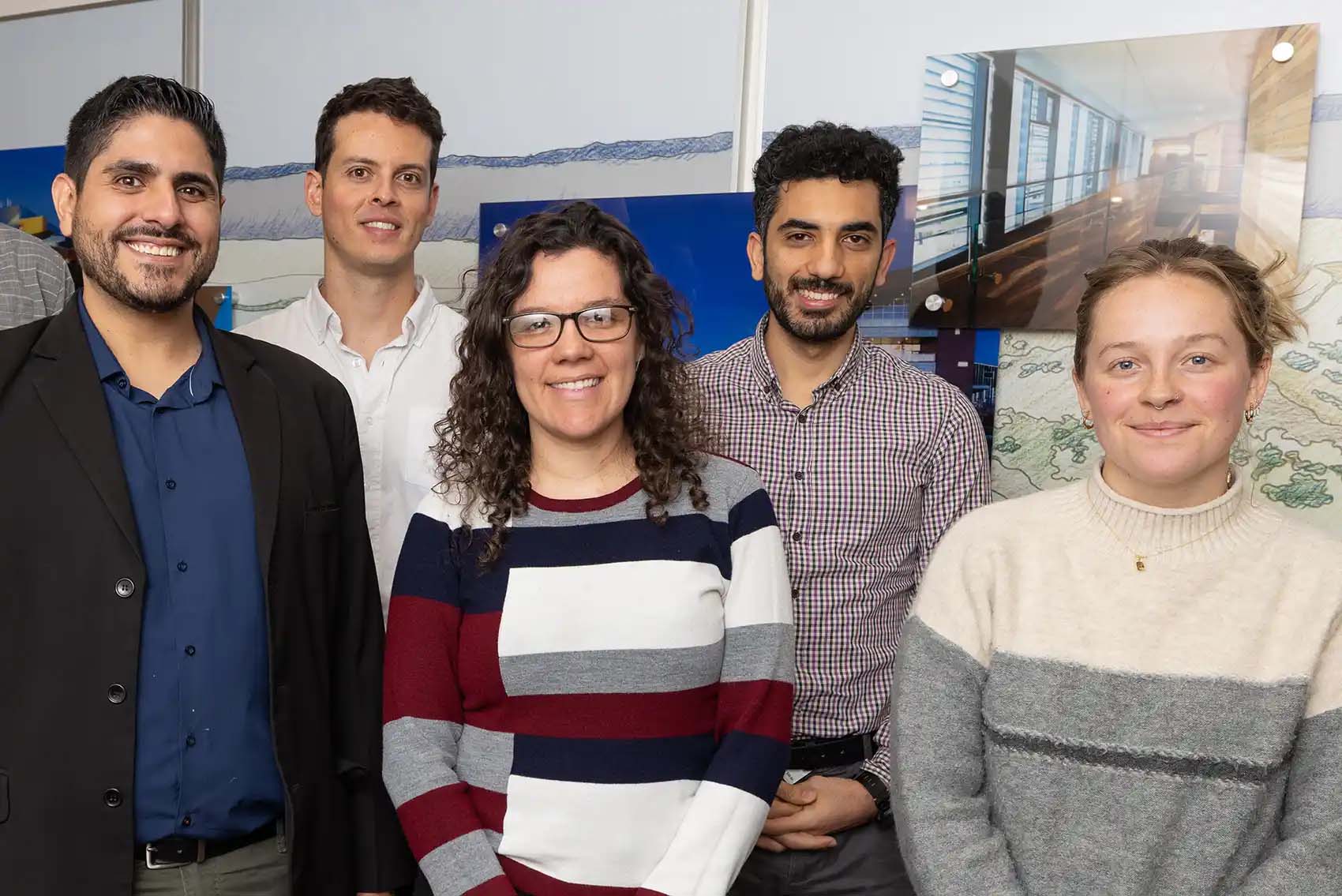
“When it comes to modeling capabilities, the state energy offices and public utility commissions fall along a spectrum from limited experience to advanced,” Sienna Researcher and Policy Analyst Rafael Monge said. “We work to meet them where they are, fill in gaps where needed, and introduce new capabilities that give them the agency to address their energy planning challenges, even after our assistance ends.”
Trainings consist of in-person or virtual sessions designed to build a foundation of knowledge in various modeling and data management principles while also instilling confidence working within the Sienna tool itself.
“The lessons from the trainings are specifically applied in the context of partners’ energy systems and available data, allowing attendees hands-on practice with real-world transmission questions and scenarios.” said Sara Abril- Guevara, Sienna researcher specializing in assembling data sets and enabling simulations.
This also makes the trainings scalable, supporting partners of all sizes—from local Tribal communities to populous states like Illinois.
As the team hosts these trainings across the country, feedback from each engagement informs the development of improved curriculum, best practice resources and guidelines, and additional touchpoints such as office-hours sessions. These improvements benefit the recipients of future trainings.
Seeing Sienna Training in Action
In Utah, state legislative action motivated the pursuit of industry-standard modeling. The goal was to be able to effectively leverage publicly available data to look at how electricity is being used in the state and how the state could responsibly accommodate the growth of large energy loads, like artificial-intelligence-enabled industries.
A main priority in the search for the right solution was finding an open-source resource that offered the granularity they needed to ask dispatch-level questions.
“We didn’t want a situation where you don’t know the inputs or how the calculations are made,” said Cindi Eckhardt, a data scientist at the Utah Office of Energy Development. “The advantage of an open-source solution like Sienna is that anyone can see how we developed our insights and recreate what we’ve done. It also makes it easy to collaborate with partners in our analysis because we all have access.”
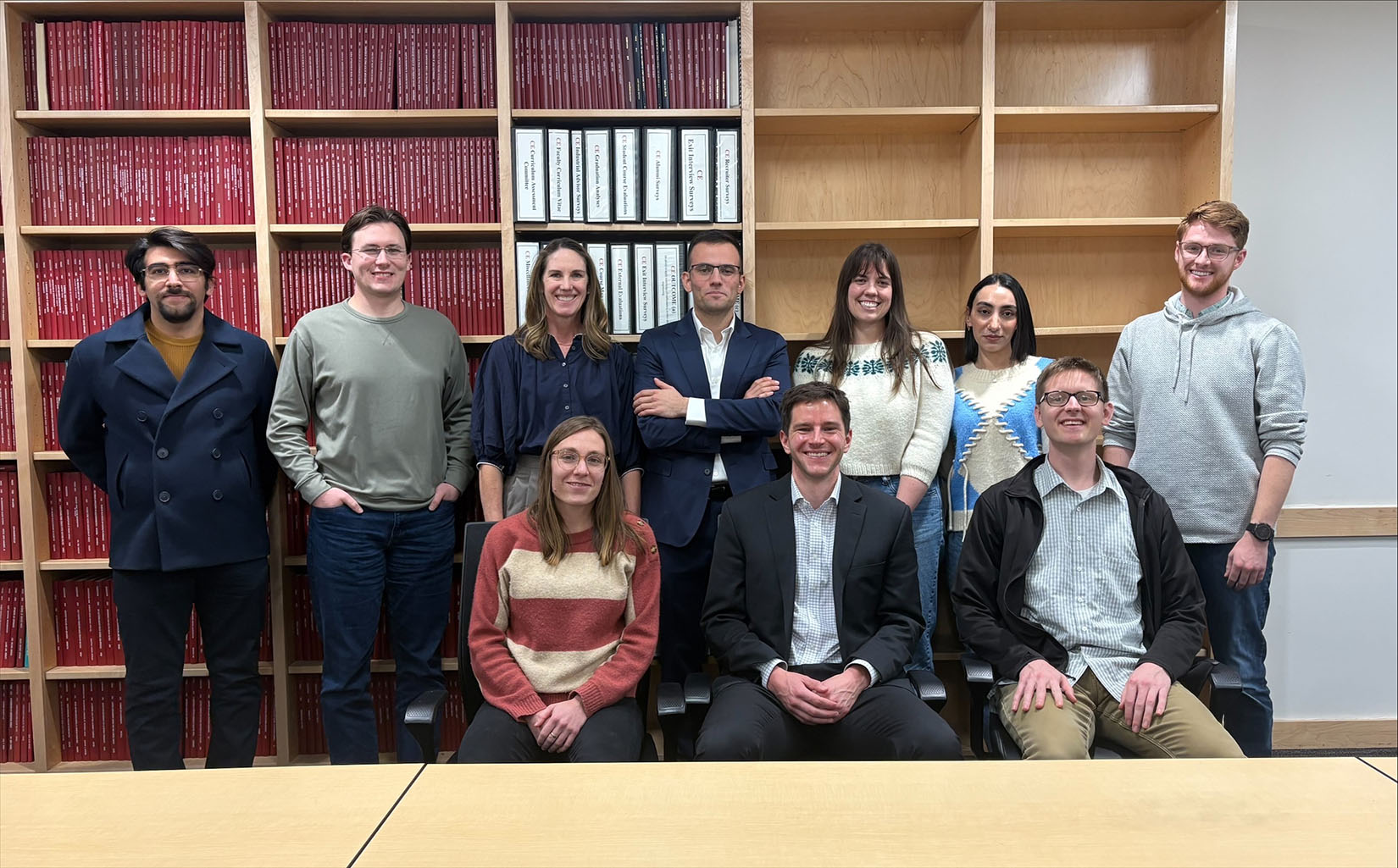
Through technical assistance funded by the U.S. Department of Energy Critical Minerals and Energy Innovation office, the Sienna team traveled to Salt Lake City to hold a training for the Utah Office of Energy Development and their partners at the University of Utah. The University of Utah attendees had backgrounds working with other industry tools but were looking to gain hands-on experience with the additional level of sophistication offered by Sienna. The training covered input datasets, model setup, and interpretation of metrics to help the analysts feel comfortable working in a complex tool.
“It’s a powerful platform with added layers of complexity, which is what we needed to take our analysis to the next level,” Eckhardt said. “While there is still more work to be done to be fluent in this tool, we can already see the value it could bring to our planning efforts.”
With the power of Sienna at their fingertips, the Utah Office of Energy Development and the University of Utah are looking to the future to see what questions could be answered by the tool. Following a final training session focused on transmission scenario analysis, they plan to dive into questions around colocation of energy infrastructure in rural communities and impacts of an extended day-ahead market.
To date, the Sienna team has led 16 training programs across 13 states and has even extended their support internationally to countries including Belize, Argentina, Honduras, Costa Rica, and the Dominican Republic. As the team continues to support energy planning agencies, their scope extends beyond transmission planning to questions around resource adequacy, load forecasting, and planning for large loads like data centers and advanced manufacturing.
“The goal of the training programs is to take the advanced analysis capabilities of the lab and put them in the hands of people who are making the day-to-day decisions on energy system affordability and reliability,” Smith said. “As more energy offices prioritize their transmission planning, we want them to know that Sienna is there to help them make effective decisions—and we’re here to show them how to use it.”
Learn more about the Sienna analysis platform and grid modernization work at NLR.
Last Updated April 28, 2026