
Energy Industry, Startups Convene at 2026 Industry Growth Forum
Event Brings Together Technology Innovators and Investors Amid Rising Global Energy Demand

At the U.S. Department of Energy's 2026 National Laboratory of the Rockies (NLR) Industry Growth Forum (IGF), the room hummed with the sound of deals being made.
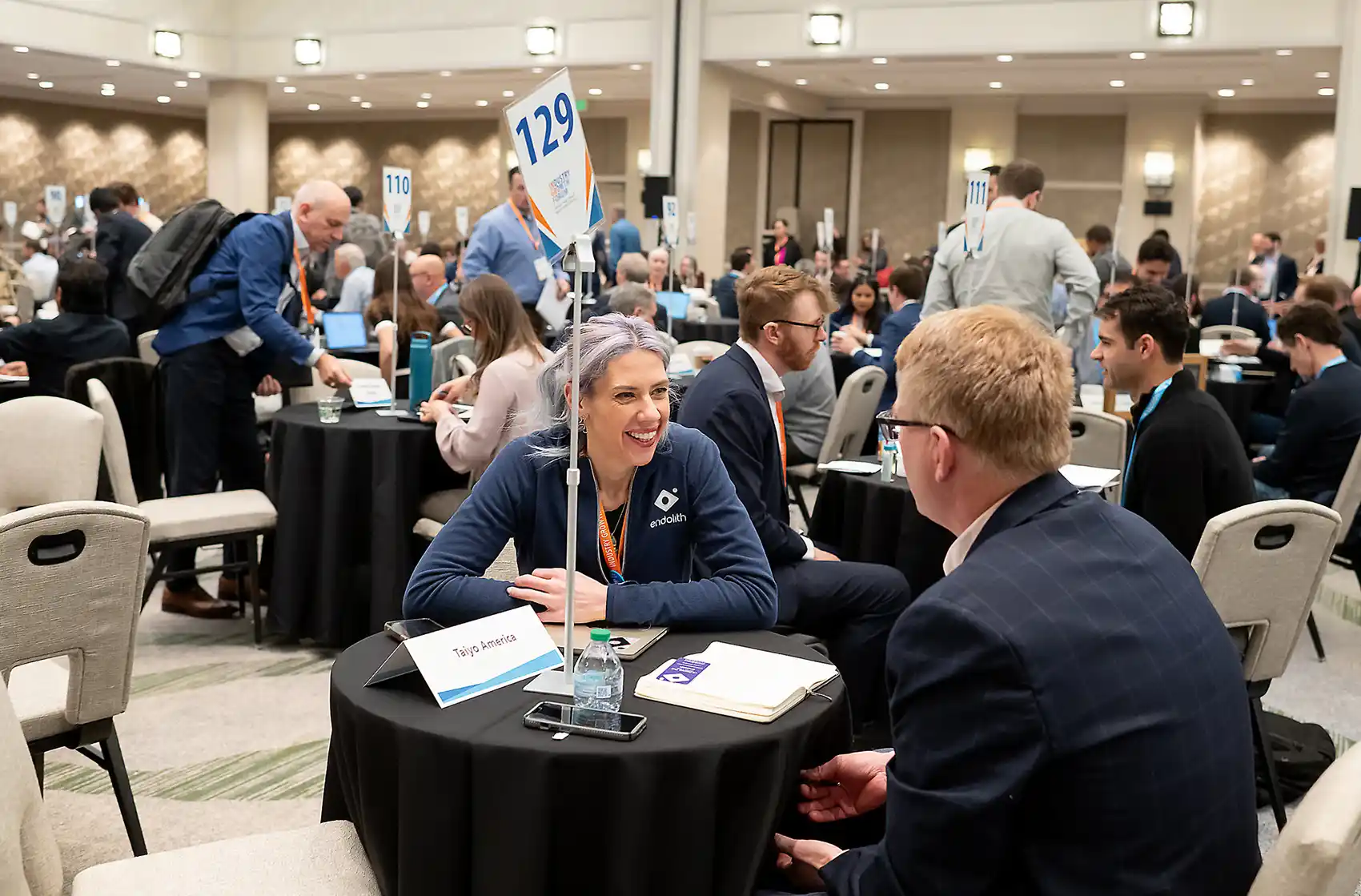
Conversations between startups and investors unfolded in hallways between sessions and at more than 150 networking tables in the ballroom of the Sheraton Denver Downtown Hotel, helping shape the future of energy technologies.
For CEO Sorin Grama of Transaera, the hope walking into the forum was to leave with lots of business cards, follow-up meetings, or even a lead investor to accelerate his company's current funding raise.
"We're hoping to close our funding cycle in the next few months, so if IGF could turn that nine-month process into a three-month process, that would be amazing," he said.
Grama was in the right place. As the leading event for energy innovation and investment, IGF's reputation is well earned. Each year, hundreds of startups and investors convene at the forum—startups with cutting-edge technologies and investors with billions of dollars of capital ready to be deployed.
'All Systems Go'
With more than 400 startups and nearly 200 investors in attendance, the 2026 forum centered on a theme of 'All Systems Go,' highlighting the interconnection of the modern energy landscape from research and development to system planning and operations, markets and partnerships, and ultimately the end user. Attendees traveled across the United States and from as far as South Africa to be a part of the event.
Year after year, NLR's Innovation and Entrepreneurship Center (IEC) curates its network to ensure attendees can connect with tech leaders positioned to advance innovations most relevant to industry. Invitees include new and high-quality, venture-ready startups and investors with capital ready to deploy toward advanced energy, manufacturing, and critical materials innovations. Katie Richardson, group manager for innovation outreach at the IEC, is part of the team that leads the charge.
"We steward networks of venture investors, industry partners, startups, researchers within the laboratory, accelerators and incubators, startup service providers—and all of these people collide at IGF," she said. "It's not possible to do this work in a silo; it's when people meet one another that the magic happens. That's where the IGF ecosystem comes in, to help us get to 'All Systems Go.'"
Investment is not the only benefit of IGF, though. Many startups leave the conference with the seeds of new industry partnerships or with opportunities to connect to much-needed legal or business expertise. Some lay the foundation for NLR technical assistance and deeper engagement with the laboratory.
Meeting the Moment
This year's forum unfolded against a backdrop of increasing energy demand. After rising slowly for many years, global electricity demand is expected to grow 3% to 4% annually through 2030.
In her opening remarks, IEC Director Trish Cozart noted this and other figures, setting the scene for the forum's 'All Systems Go' theme.
"Meeting that demand will require new industries, digital infrastructure, manufacturing growth, and, of course, innovation at the core," she said. "In infrastructure terms, it's like the world building the equivalent of another U.S. power system just this decade—that's a huge opportunity for everybody in this room."
Three forces influencing that demand—data and artificial intelligence (AI) infrastructure, a nuclear energy renaissance, and critical minerals supply chains—were central to Cozart's remarks and to the technical sessions at IGF.
Each of these has their own systems-integration challenges, "but for all the technology shaping the future of energy, the data tells us something very human: None of these systems work without relationships," Cozart said.
Relationships are what the forum is designed to facilitate—and where NLR plays a key role.
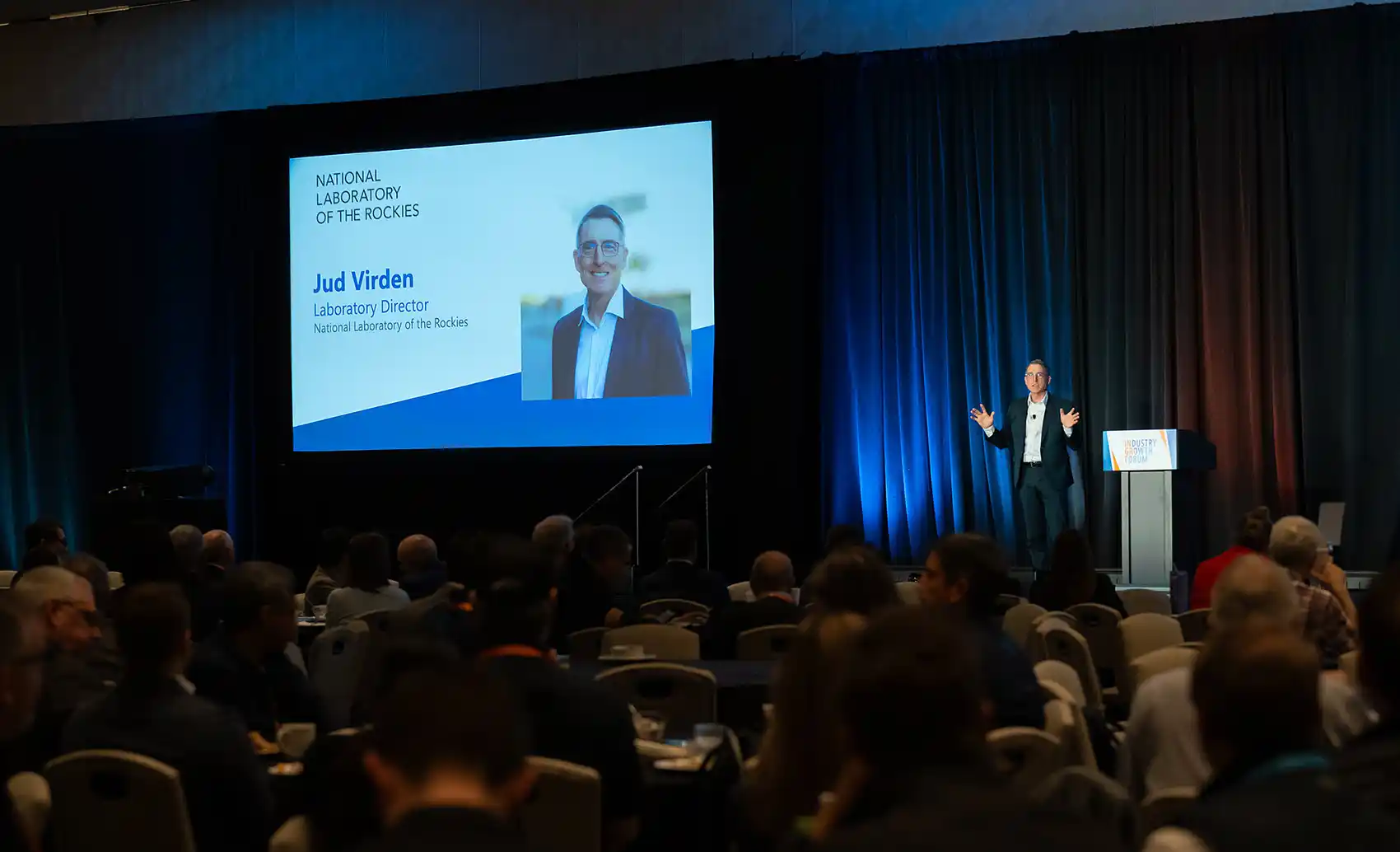
"We are at our best as a national lab when we are working in partnership with industry to rapidly overcome technical barriers that are limiting the market readiness of new technologies. This could include performance, cost, system benefits, or independent test and validation," said NLR Director Jud Virden, welcoming attendees and kicking off Wednesday's programming.
"I hope over the next day that you meet new people, learn something new, and initiate exciting collaborations that accelerate the deployment of new technologies," he added.
National Laboratory Leads the Way
Where a traditional conference is made up of presentations, panels, and workshops, IGF puts one-on-one networking at the heart of its agenda, living up to its tagline: 'Where Investment Meets Innovation.'
At any given time throughout the ballroom, 100 simultaneous meetings were taking place, conversations were buzzing, and attendees' excitement was palpable.
"In our setup, we don't waste time," said Sarah Derdowski, group manager for innovation pathways at the IEC. "Ten minutes each and then attendees rotate to the next meeting. If there's interest, it's there. If it's not, it's not. So, it's a great way to consolidate your investment and allocation."
That format, championed by NLR and the IEC, is what draws new attendees to IGF and what keeps others coming back year after year. Organizers continue to evolve the forum to meet changing industry needs, introducing new features in 2026. Knowledge bars offered dedicated one-on-one time with NLR researchers to exchange expertise and spark potential lab partnerships, and exclusive, preconference jump-start sessions took deeper dives into specific energy challenges.
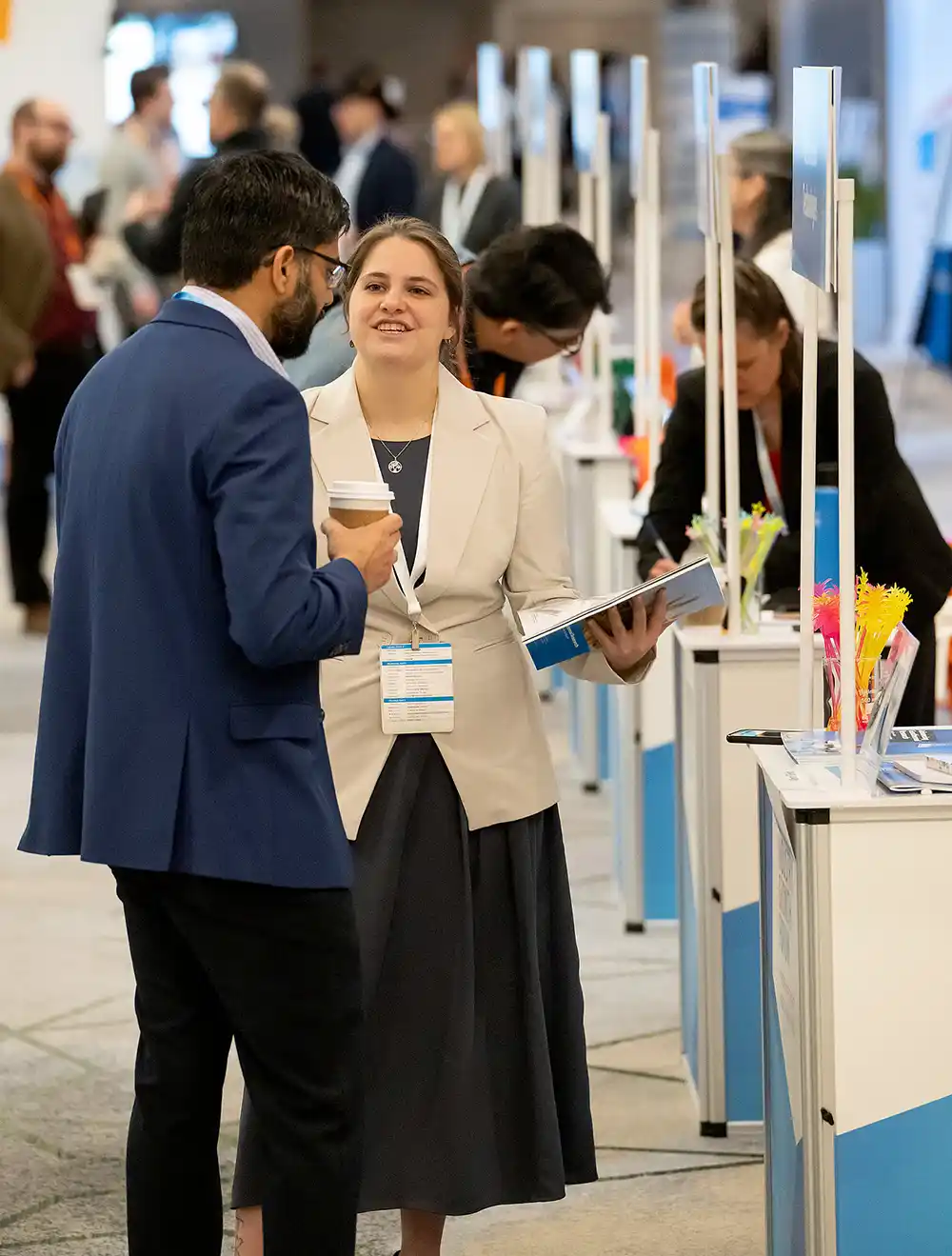
"The time that we provide folks to network and the structure we enable for one-on-one connections is unparalleled here. These meetings are especially impactful to tech advancement, since startups and investors alike can target exactly who might be most of interest to their venture or thesis by cherry-picking from our database of attendee profiles," Richardson said.
The approach is gaining broader attention, too, with experts from Lawrence Livermore and Idaho national laboratories sharing their unique capabilities in fusion and fission with attendees for the first time this year, drawn in part by NLR's model for connecting research, industry, and investment.
Industry Reverse Pitches
A theme of quick deployment was reiterated through the forum's industry reverse pitches, a lunchtime session featuring partners from Exxon Mobil, National Grid, Schneider Electric, and CBRE who shared their perspectives on industry's needs from the technology ecosystem. Many of their asks revolved around drop-in, turnkey solutions that innovate without disrupting what already functions.
At National Grid, for example, the three biggest pain points are speed to power, affordability, and streamlining the customer experience, said Josh Tom, director of energy transition solutions. The utility company provides electricity to more than 20 million people across New York and Massachusetts.
"We're focused on automating connection studies and improving manual processes, so customers get connected faster, driving down deployment costs, including soft costs, and providing simple, easy-to-understand options that deliver more for our customers," Tom said.
Rather than new tech that promises to reimagine the grid, National Grid is seeking solutions that work with existing infrastructure and data.
"The silver bullet sounds good in practice, but the reality is, if you have a narrow problem defined with a narrow solution, and you can easily integrate it into our grid systems, that's a really appealing value proposition for us because the ecosystem is incredibly complex as it is," Tom said.
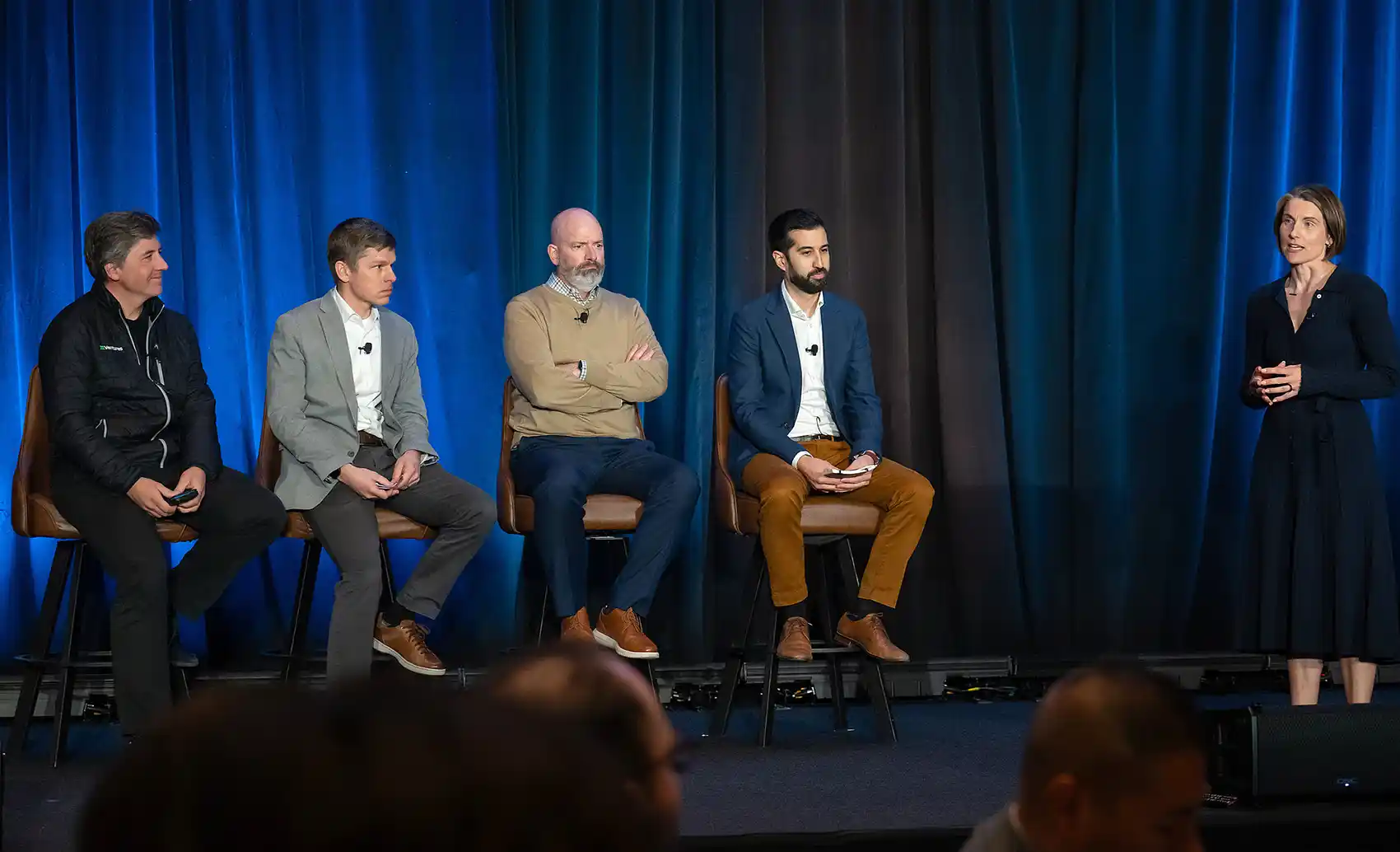
Exxon Mobil emphasized advanced materials and emerging technologies, such as novel chemical processes, while CBRE focused on modular building systems, HVAC innovation, and operational integration. Schneider Electric rounded out the reverse pitches, highlighting digitalization, grid software, and the growing role of AI in managing energy systems.
Taken together, the pitches shared a common thread: Alongside faster, more deployable solutions, industry is placing equal weight on software and hardware, systems integration, and know-how that helps investors keep pace with rapidly advancing technologies.
"We're living in a golden age of HVAC cooling-system innovations with new refrigerants and compressor technologies. It's a really exciting time, but it's also a lot," said Brett Bridgeland of CBRE. "My number one request is to help make sense of it [for CBRE].'
Pitch Competition
The IGF pitch competition is a highly selective event. Nearly 200 investors participated on the selection committee to elevate 52 startups to the presentation stage, representing every stage of the scale-up pathway: early, pre-commercialization, commercialization, and growth stages. Grama's pitch for Transaera competed in the commercialization stage against 12 other companies.
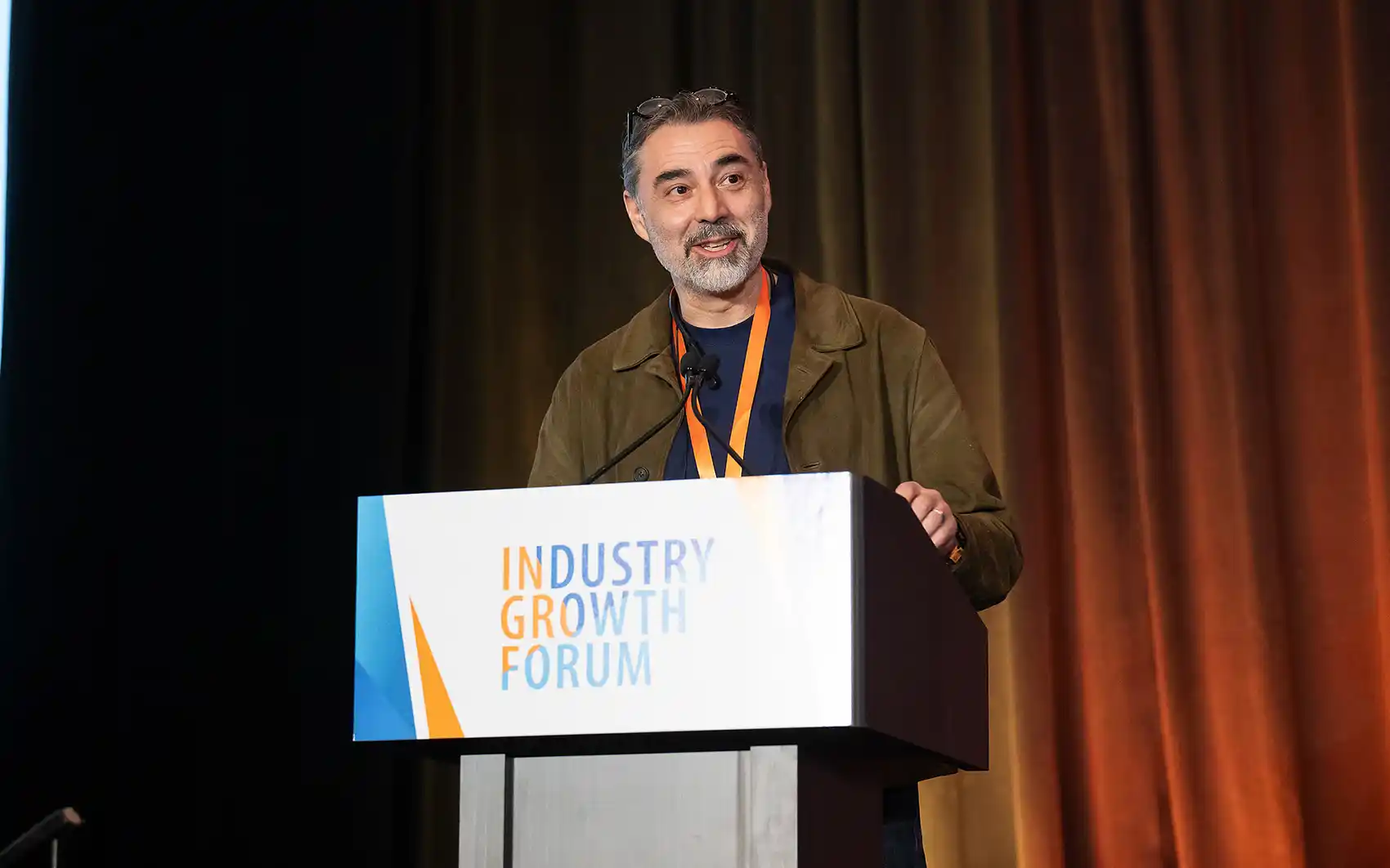
Transaera manufactures advanced rooftop HVAC units that remove humidity before cooling the air, with four existing projects in commercial kitchens, a completed pilot, and a signed multiyear agreement with Amazon. The company is currently raising $15 million to scale production and prove demand.
Their technology uses a novel material, called metal-organic frameworks, or MOFs. The material's inventors won the 2025 Nobel Prize in Chemistry for the development of MOFs.
"By themselves, MOFs are powdered, so they're not very useful," Grama said. "With Transaera, what we developed is a proprietary coating on a honeycomb structure. As you pass the air to it, molecules of water get trapped, and later we take them out."
Like a sponge that needs wringing out, MOFs absorb humidity from outdoor air, which makes compressor cooling more efficient, requiring less energy overall and therefore lowering costs to cool. Waste heat is recovered by Transaera's units to dry the MOFs for the next cycle.
"The two systems work hand in hand," Grama said.
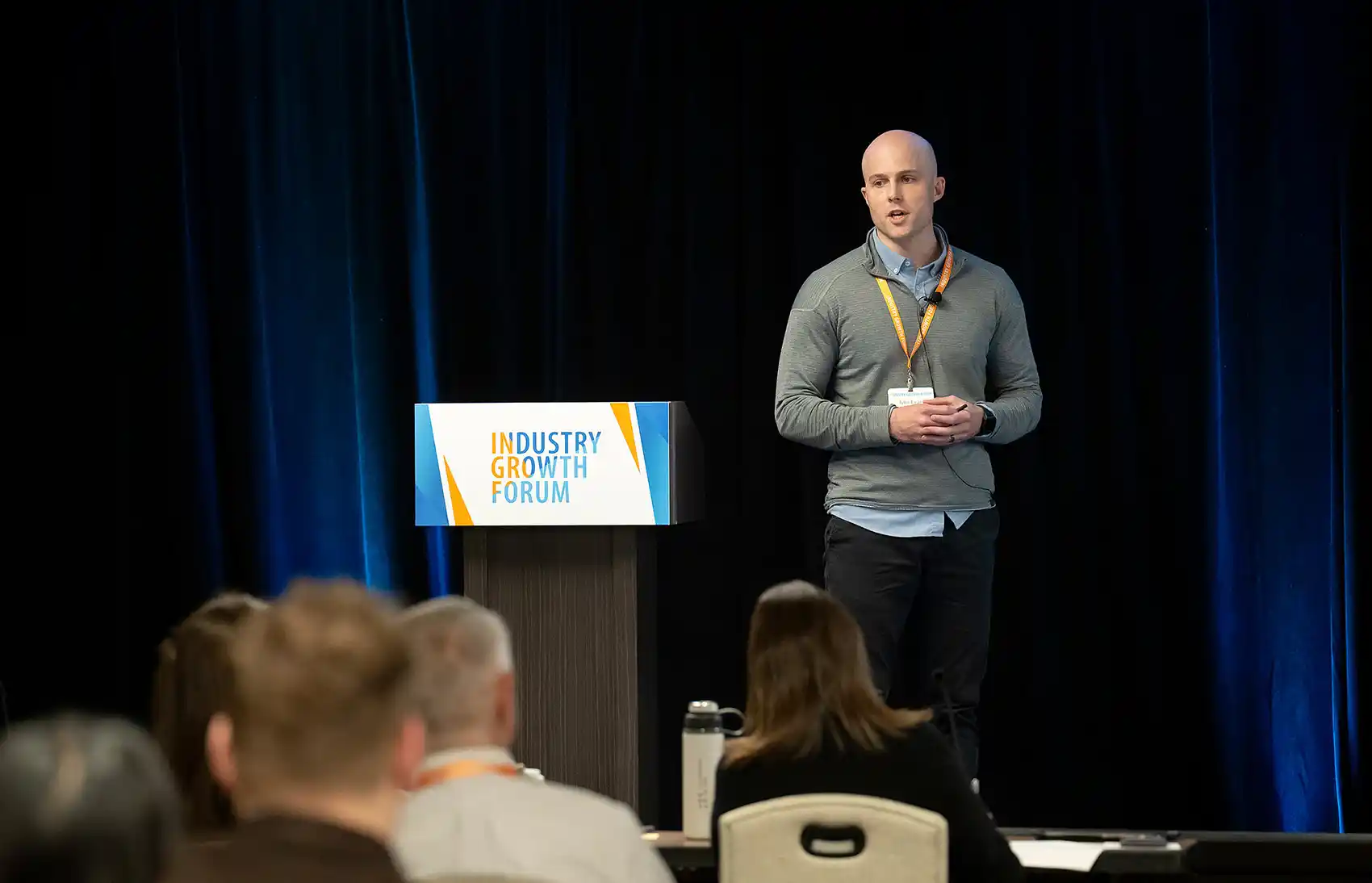
Tyler Evans, cofounder of Mana Battery, competed in the pre-commercialization stage. His company was created in 2023 after recent advances in battery storage.
"There's been a paradigm shift in how we're thinking about battery technology, because we realize that batteries are already light enough and small enough for most applications," Evans said. "The future battery market will be driven by other things, like cost, supply chain robustness, and metrics like safety."
Mana's mission is to scale high-energy "anode-free" sodium battery cells to, in part, reduce reliance on U.S. imports of lithium batteries. Their secret sauce is a formulation of fire-extinguishing electrolytes and a five-amp-hour battery "that's so safe, you can put it in urban areas," Evans said.
Mana's current raise is to support technical development and customer partnerships, with the goal of scaling and proving market demand over the next 12–18 months. In the past year, Mana has raised $6.5 million in grant funding.
Both Transaera and Mana Battery are IEC-portfolio companies, meaning they are part of incubator programs managed by NLR. Transaera is a member of the 14th cohort of the Wells Fargo Innovator Incubator, launched in late 2024, while Mana Battery participates in NLR's West Gate Lab-Embedded Entrepreneurship Program, managed for the U.S. Department of Energy.
Both programs provide NLR technical support to help startups advance and de-risk their technologies on the path to commercialization, though West Gate differs in its embedded model, where a company scientist works on-site at NLR to collaborate directly with researchers.
At Wednesday night's IEC spotlight session, organizers created space to recognize progress already underway in NLR's program portfolio. Ten startups that received NLR technical assistance in the prior year celebrated milestones, whether successful pilots, validated technologies, closed funding rounds, new customer agreements, or early commercial deployments.
Award Ceremony Looks Forward
That celebratory momentum carried into Thursday's awards ceremony as IGF drew to a close and standout companies from the pitch competition were recognized for their compelling, high-scoring pitches. Transaera's team took home the award for Best Commercialization Venture. For Grama, the award reaffirmed a mission that is greater than the technology alone.
"Air conditioning is too expensive to run, and that is the experience for billions of people worldwide. [It] is a luxury, but it shouldn't be. It's a human right," Grama said. "That is why we're working on air conditioning at Transaera."
"Our technology is going to end up in every single air conditioner someday. We're starting with commercial air conditioning systems here in the United States because this is where the market is, but we are planning to go residential someday and even automotive," he added.
The awards ceremony was a moment of triumph as the startups stepped into the spotlight before an audience of founders, investors, and industry peers all coming together to move technologies toward market success.
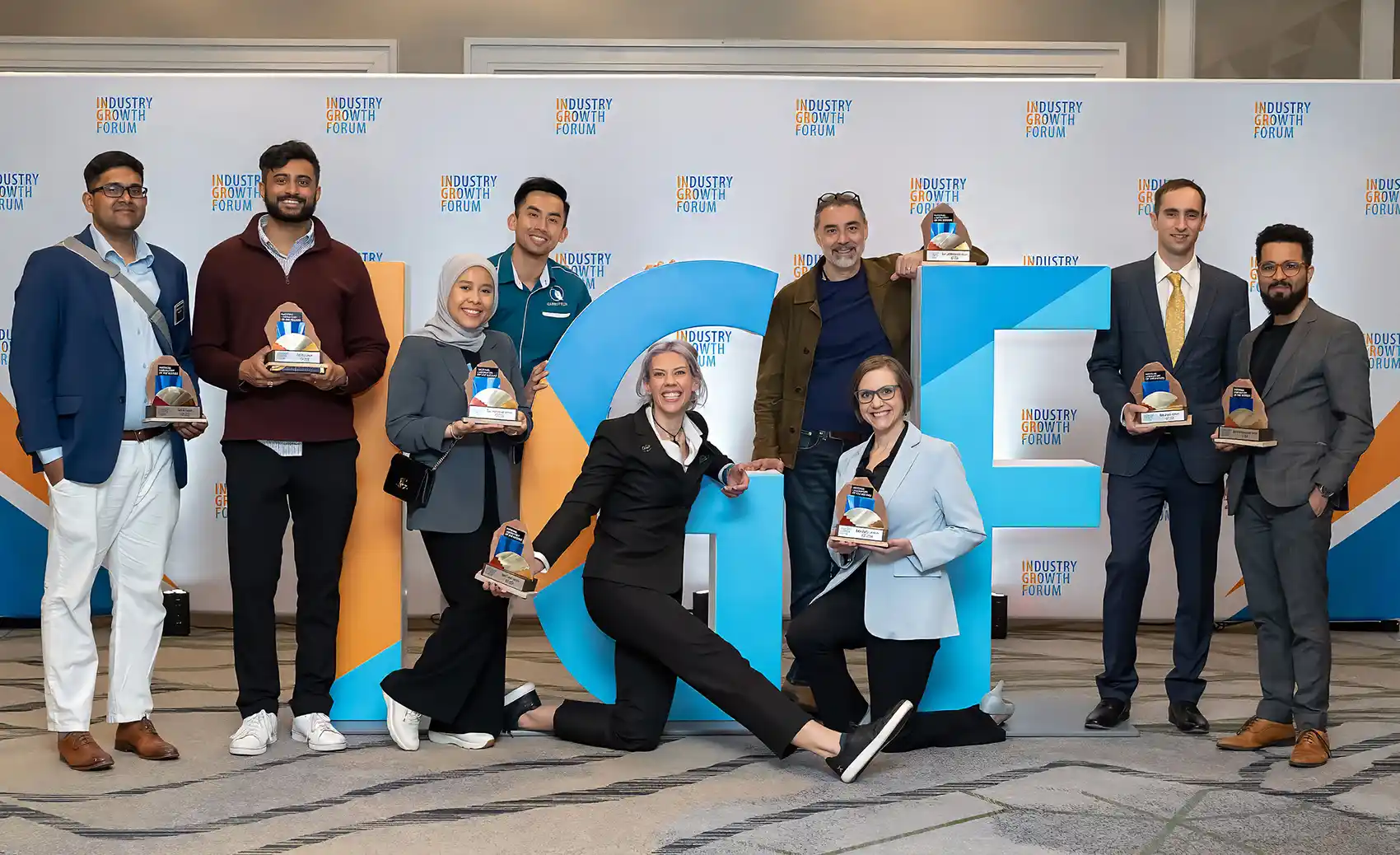
2026 IGF Award Winners
- Best Overall Venture Endolith—Liz Dennett, Founder and CEO
- Best Early-Stage Venture Solid Sky—Aiden Mickleburgh, Founder and CEO
- Best Pre-Commercialization Venture Supercarb Inc.—Hitesh Manglani, CEO
- Best Commercialization Venture Transaera—Sorin Grama, CEO
- Best Growth Venture Nitricity Inc.—Nicolas Pinkowski, CEO
- Best AI Venture Fluix AI—Abhishek Sastri, Founder and CEO
- Best International Venture Qarbotech—Amirul Merican, Cofounder and COO
- People's Choice Award Active Surfaces—Shiv Bhakta, Cofounder and CEO
The next Industry Growth Forum is scheduled for May 5–7, 2027, at the Sheraton Denver Downtown Hotel, continuing a decades-long effort to connect innovators, investors, and industry as energy systems continue to evolve. Learn more on the Industry Growth Forum website.
Last Updated April 28, 2026