
Cradle-to-Crisis Approach Improves Battery Safety and Performance

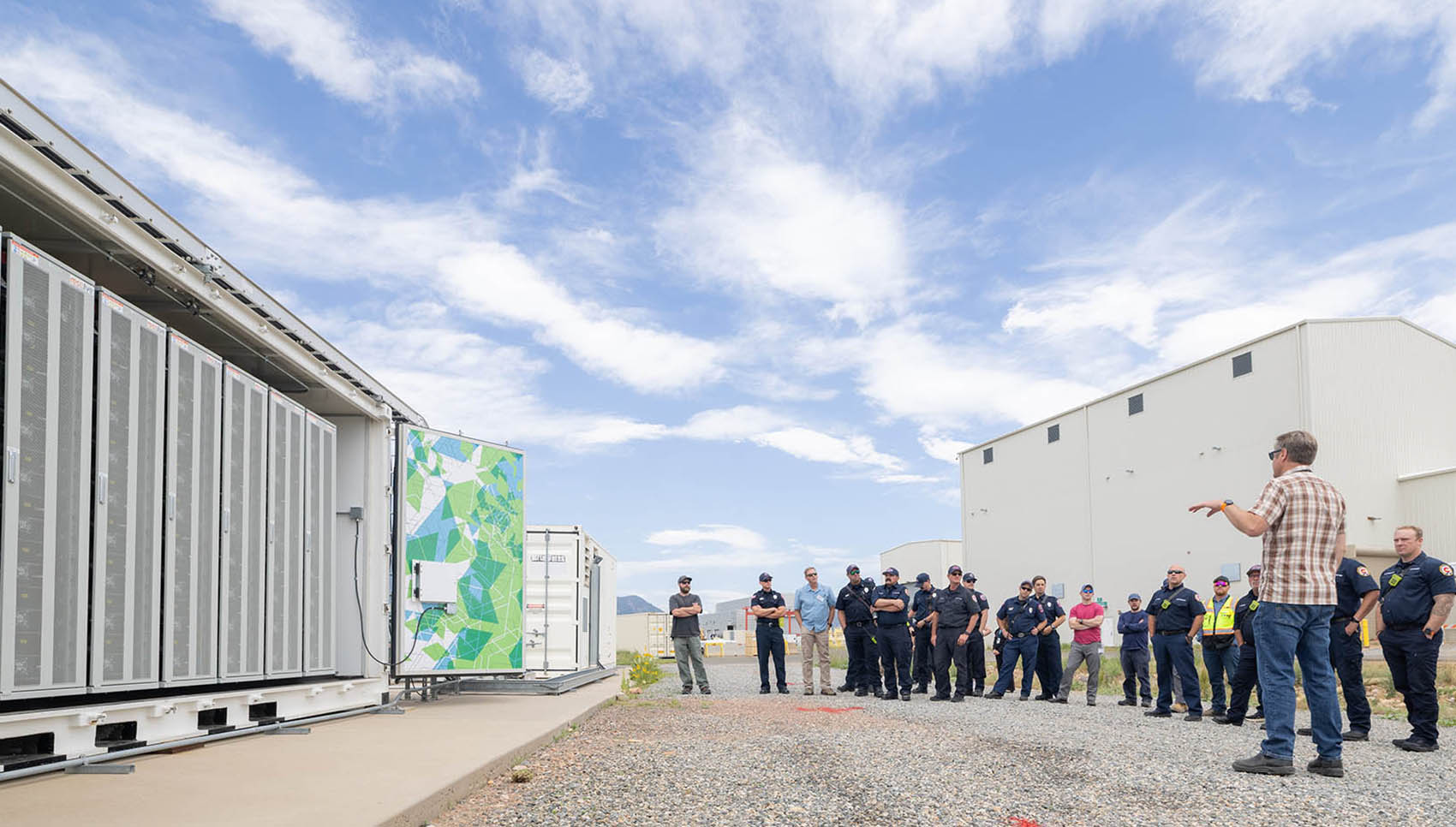
Battery failures can escalate quickly: Heat accumulates, materials break down, and gases ignite in a chain reaction known as thermal runaway.
Such events are rare thanks to carefully applied safeguards in material design and battery management systems. Still, continued research is needed to anticipate how new battery materials behave, understand the failures that do occur, and translate those lessons into safer designs and incident-response strategies.
Preventing battery failures requires understanding risks at every stage of a battery’s life. At the U.S. Department of Energy’s (DOE’s) National Laboratory of the Rockies (NLR), researchers use advanced analytical techniques and real-world data—collaborating closely with industry experts—to deliver unique insights into battery safety spanning emerging chemistries and designs, field performance, and emergency response.
Setting the Standard for Battery Safety
NLR’s rigorous battery safety evaluation framework begins with an examination of the materials that make up a battery. Researchers characterize microstructural, thermal, electrical, mechanical, and electrochemical properties that determine how batteries perform and how safely they operate.
Those measurements populate a new, open-access Battery Safety Database, which describes key safety characteristics across different battery types. NLR developed this database in collaboration with the University of Texas at Austin and Exponent Inc. through a project supported by the Advanced Research Project Agency-Energy (ARPA-E).
Researchers also push batteries to failure through nail penetration, thermal stress, and internal short circuits within controlled environments to observe material responses under stress. These experiments can help prevent failures in the real world by building mechanistic insights into their causes and developing solutions to address them.
“Our research aims to identify the root cause of why a battery fails,” NLR Senior Energy Storage Engineer and Manager Matthew Keyser said. “That deeper insight is what allows us to design safer, more reliable systems instead of addressing issues after batteries enter the market.”
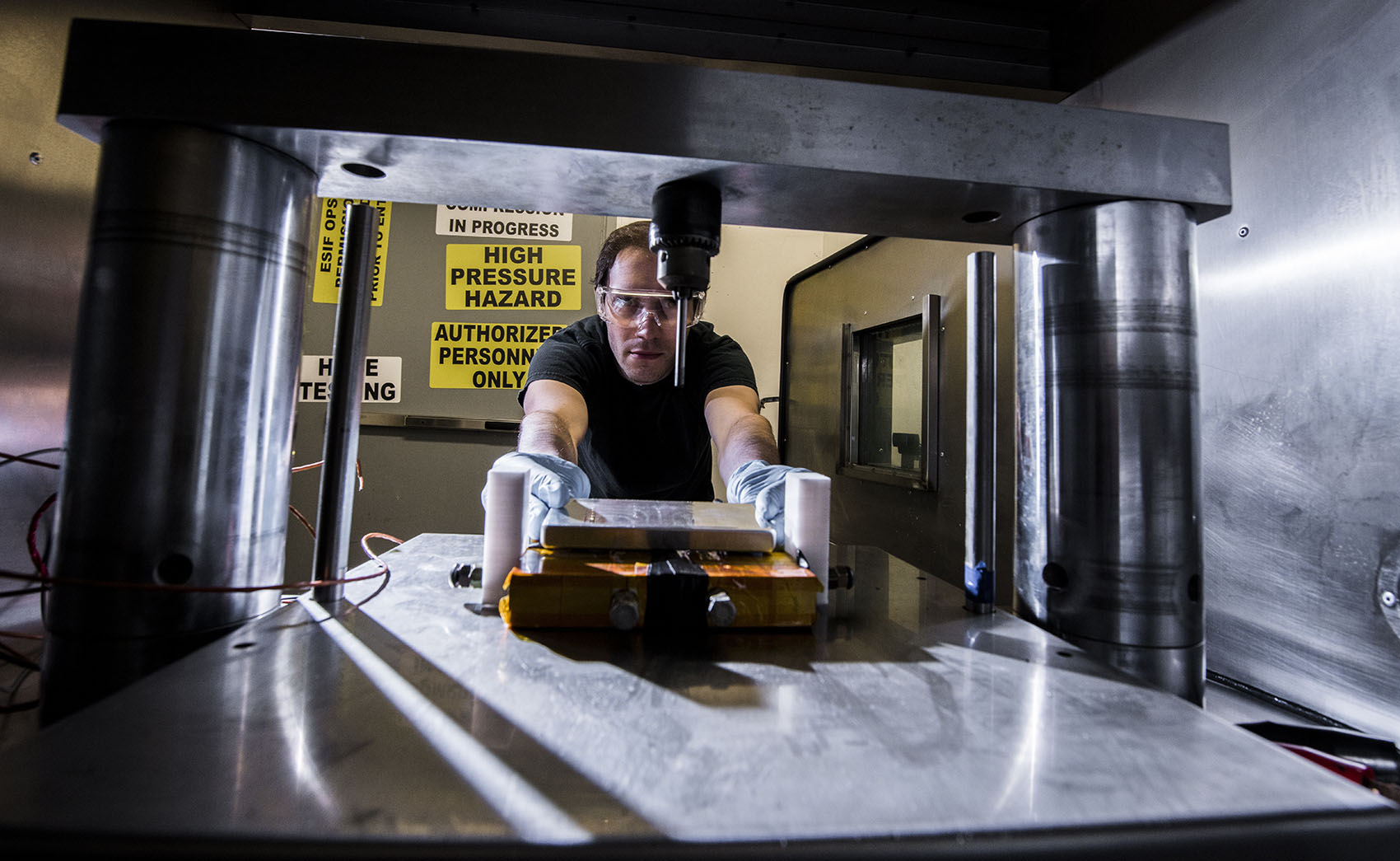
This work is grounded in multiscale research that connects battery behaviors spanning length scales: atomic-level structural defects that affect voltage and capacity; particle-scale cracking or expansion driven by mechanical stress; electrode composition and lithium-ion transport; and thermal management within cell designs. By linking these scales, researchers can identify the causes of failure rather than merely observe their consequences.
“The better we understand risks, the safer we can design and prepare battery systems of the future,” said Donal Finegan, a senior energy storage scientist at NLR. “Subtle changes in the composition of materials inside a battery can impact reaction kinetics that can lead to much more hazardous failure scenarios. We need to understand how these subtle changes impact battery safety.”
As part of NLR’s extensive portfolio of battery safety work, researchers recently highlighted the impacts of changing battery chemistries on safety outcomes in a Nature perspective article.
In-Lab Experimental Data Informs AI Modeling
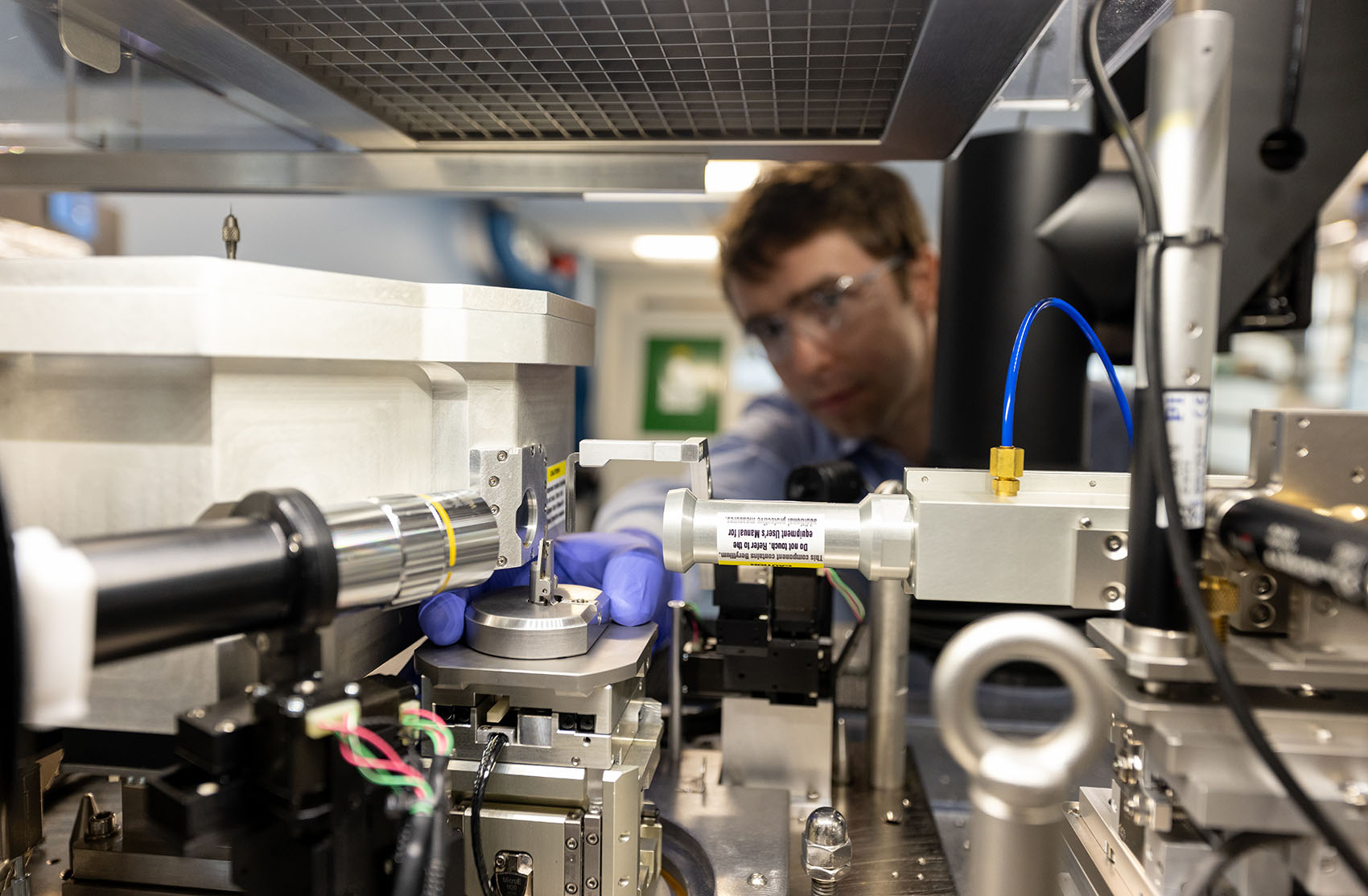
NLR’s capabilities combine state-of-the-art imaging techniques, including a nano-computed tomography scanner unique to NLR. These imaging tools allow scientists to monitor batteries as they function and fail in real time.
Imaging is complemented by data analytics and physics-informed artificial intelligence models that assimilate experimental data. Read an example of this approach in Nature Communications, where the team used machine learning to demonstrate the predictability of cell behaviors such as thermal runaway.

As a federally funded laboratory, NLR plays a unique role in battery innovation. NLR researchers perform objective assessments of new battery designs, and data from nonproprietary projects can be released publicly to enable innovators and manufacturers to accelerate breakthroughs in battery technologies.
“AI-based modeling can support accelerated insights into the behavior of batteries and design strategies for enabling safe battery systems, but these models demand massive amounts of data to produce accurate results,” Keyser said. “The experimental data collected here at NLR helps power our own advanced computation models, but we are also working to standardize and share our research with others in the battery community.”
One example of data collection and dissemination comes from NLR’s work within the ARPA-E Jumpstart Opportunities to Unleash Leadership in Energy Storage (JOULES) program, which served as the basis for the new Battery Safety Database.
Evaluating Tomorrow’s Batteries Today
Most of the lithium-ion batteries currently powering modern America have already undergone vigorous safety evaluations, but emerging chemistries hope to achieve higher energy density at lower material costs. New material designs inherently bring unknown safety risks; that’s where NLR can help.
Research projects funded under the ARPA-E JOULES program aim to support U.S. battery innovation and next-generation technologies, without sacrificing safety. NLR’s previous work with the JOULES program evaluated the safety of novel materials, including sodium, potassium-ion, and solid-state lithium metal, to better understand potential limitations and failures. The data gathered as part of JOULES now lives in the laboratory’s Battery Safety Database and will continue to inform battery innovations, both at NLR and in the battery industry.
This program recently expanded to become JOULES-1K, now targeting storage systems capable of achieving energy density equal to or exceeding 1,000 watt-hours per kilogram and 1,000 watt-hours per liter at the end of life and at the net-energy system level. To bring these breakthroughs to life, JOULES-1K relies on NLR researchers to validate the safety and reliability of new battery chemistries developed by industry partners.
“These 1,000-watt-hour technologies are a totally different beast,” Finegan said. “They will demand ultrahigh energy density and could enable electrification in new industries, including aerial vehicles, drones, shipping, and heavy-duty mining equipment. It’s more important than ever to be aware of risks and hazards when managing all that energy to ensure a safe rollout of new technologies.”
Understanding Incidents, Improving Response
Although it will be years before today’s emerging chemistries reach the marketplace, NLR’s research also extends beyond the lab to technologies currently in use today, such as battery-powered electric vehicles (EVs).
Although very rare, EV battery failures can present complex challenges for first responders who have only received conventional emergency response training. EV fires are relatively uncommon and occur at rates similar to or lower than internal combustion engine fires. However, they can be difficult to extinguish, may reignite after appearing contained, and often require responders to act with limited information about the battery system, including the chemistry composition or state of health.
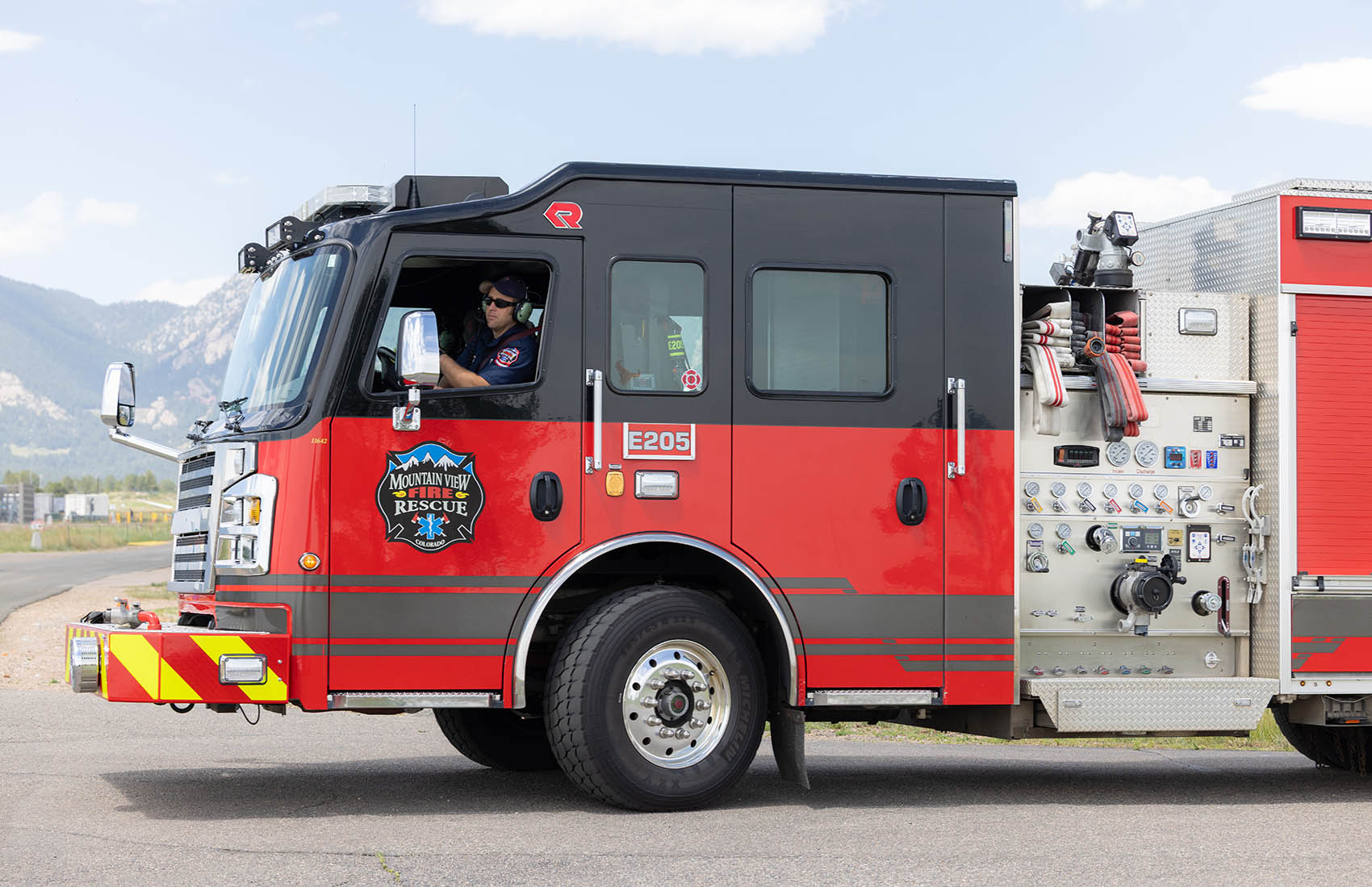
When Hurricane Ian submerged thousands of EVs in seawater along Florida's coast in 2022, the resulting battery fires were an urgent reminder of the importance of continued research. The National Highway Traffic Safety Administration (NHTSA) turned to DOE’s national laboratories, including NLR, to better understand the causes of those post-flood fires, later expanding this partnership to help address safety challenges across the breadth of EV incidents.
Together, NLR and NHTSA are working to equip first responders with more accurate information about the batteries they encounter, including objective evaluations of commercially available tools that may provide critical support in the field.
One NLR research team is focused on existing diagnostic tools that could offer real-time insight into battery state –of safety to guide response protocols. Yet another research team at the laboratory is evaluating whether existing discharge tools can be used to safely deplete battery charge on site, making damaged vehicles safer to handle and transport.
As part of this project, NLR and NHTSA are also working to improve resources for responders: developing a best-practices fact sheet, updating guidance, and proposing a new working group focused on fire and incident research.
“Our goal is to close the knowledge gap between what responders are trained to do and what EVs actually demand of them,” said NLR’s Sarah Cardinali, who leads the laboratory’s work with NHTSA and manages applied research and engineering for transportation systems. “While our research insights may lead to future vehicle and battery designs, it’s equally important to equip first responders to safely and confidently handle the EVs we have today.”
Safety in Step With Innovation
The rapid growth of battery-supported energy storage shows no sign of slowing down, with new opportunities ranging from advanced mobility applications to stationary power for AI data centers.
As energy demand continues to grow and new chemistries push the boundaries of energy density, batteries are solidifying their role as critical infrastructure and power sources. Keeping safety in step with that momentum requires more than isolated testing—it demands comprehensive research spanning a battery's life cycle.
NLR’s work aims to support the next generation of batteries, ensuring they are safer by design, better understood in the field, and supported by shared knowledge that the industry needs to keep moving forward responsibly.
Learn more about NLR's energy storage and transportation and mobility research. And sign up for NLR's transportation and mobility research newsletter to stay current on the latest news.
Last Updated April 28, 2026