
ARIES in Review: 5 Years of Innovation From a Top Energy Research Platform
Data Center Demonstrations, Electronics Innovation, AI Operations, and More

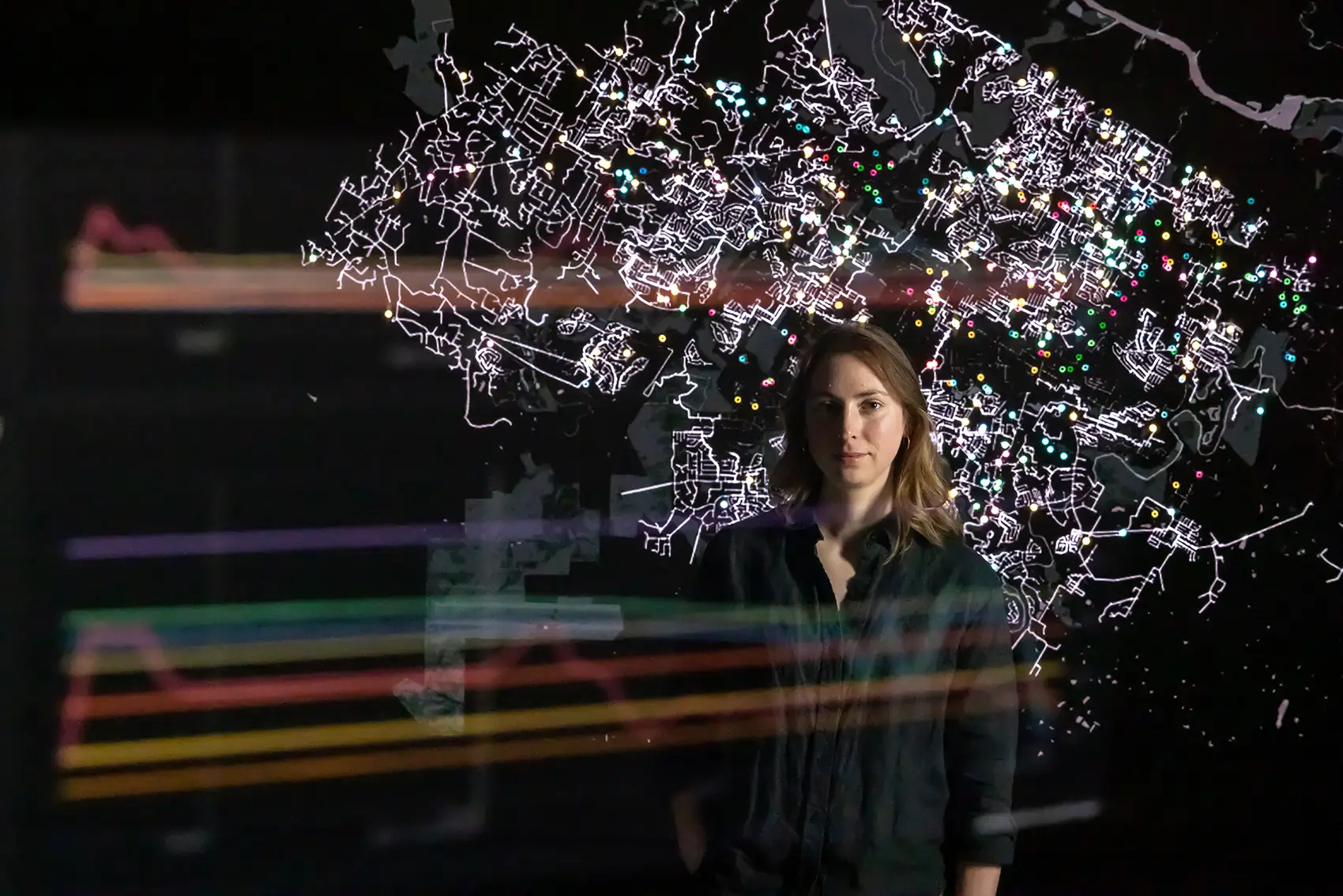
In the foothills of the Rocky Mountains, spanning two laboratory campuses, hundreds of acres, and thousands of hardware devices, researchers bring all imaginable energy systems to life.
Right there, among trailers of electrical equipment and fiber-optic cables, they simulate a busy shipyard with round-the-clock power demands or a military microgrid with critical resilience requirements.
The goal? To help partners respond to doubts, address difficulties, or make decisions about their future energy systems.
This versatile capability is the Advanced Research on Integrated Energy Systems (ARIES) platform at the U.S. Department of Energy’s National Laboratory of the Rockies (NLR). Now in its fifth year of operation, ARIES has helped partners manage risks and reach new milestones with its distinct brand of real-system replication.
“Thanks to its unmatched ability to simulate real-world conditions, ARIES has guided the way forward for every new energy trend, breakthrough technology, or emerging challenge,” said ARIES External Advisory Board Chair Adrienne Lotto. “Over the last five years, ARIES has empowered utilities to restore grid reliability when there were no other solutions and shown rural communities how smart microgrids can save money and spark growth.”
Below is a roundup of 2025 ARIES accomplishments.
Grid Reliability From Data Centers and Inverters
Utilities and companies are building technologically advanced, multisource power systems. They are pursuing grid investments that include large loads and dynamic energy supplies. As such, they seek proof that their investments will be profitable and that the grid will remain reliable. This pursuit brought them to ARIES.
In one 2025 partnership, data center company Verrus used ARIES to evaluate its grid-aware controls. On a virtual 70-megawatt utility-scale system, Verrus modeled its solution that leverages data centers for grid flexibility. The demonstration is a landmark in the design and planning of data centers, which otherwise require large-scale, long-term utility expansion.
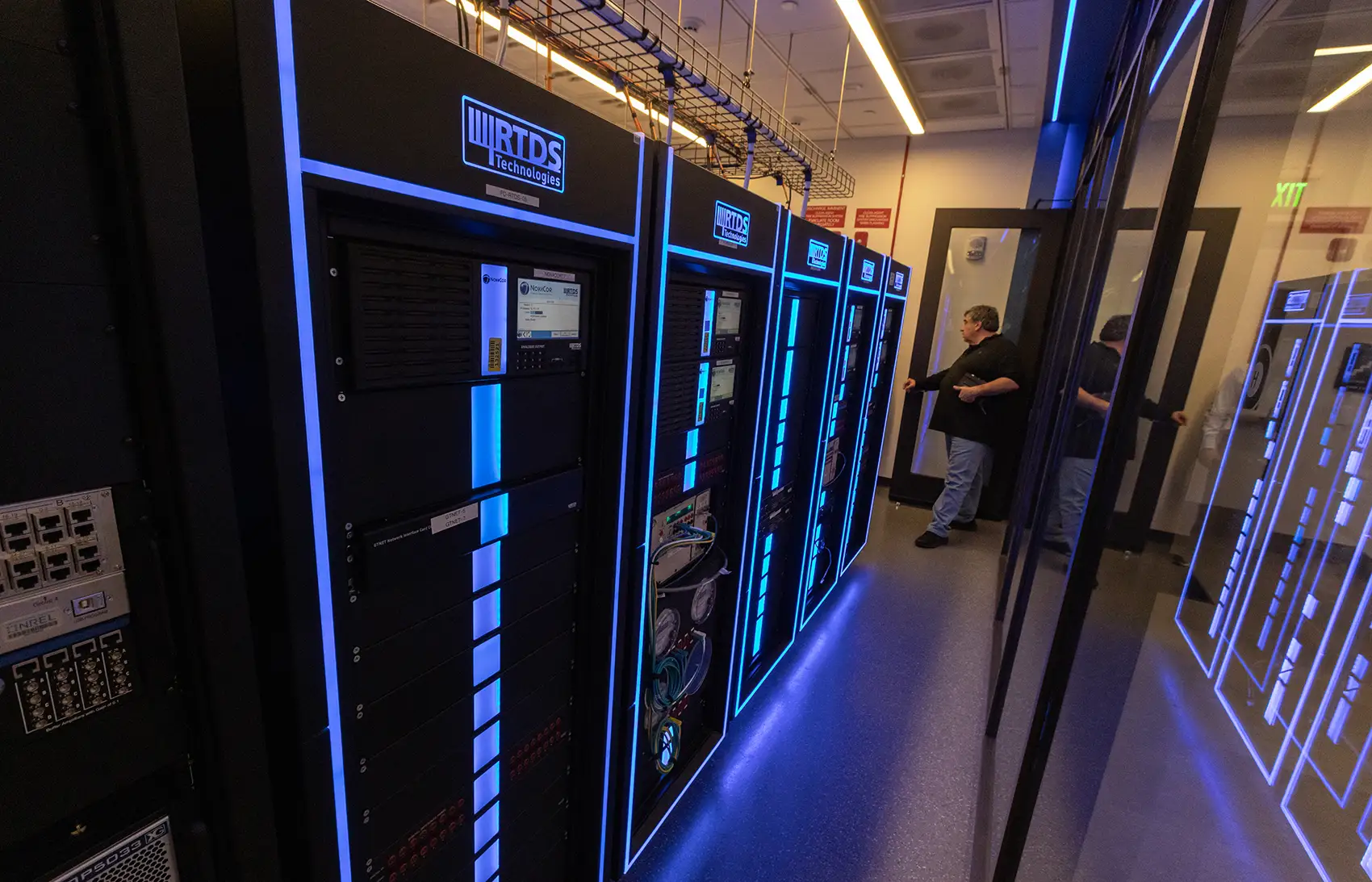
Also in 2025, ARIES added a new capability to test the tangible effects of data centers on the grid: Researchers set up a 2.5-megawatt spinning generator connected to an emulated data center. With data from a major data center provider, the researchers showed for the first time materially how generator parts wear down from the flickering demands of data centers.
This type of physical-virtual testing is the cornerstone of ARIES and is central to grid reliability research and the validation of inverter-based power systems. Major utility partners like Xcel Energy, Florida Power & Light, and Southern Company each turned to ARIES to confirm advanced inverter functions on their systems, such as aggregating inverter-based resources to provide grid services.
Expanding Supply Without Risk
With 200-plus physical assets, 27 megavolt-amperes of experimental power, and a 44-petaflop high-performance computer, ARIES evaluates new deployments on various energy systems. The sandbox-like ARIES simulations allow researchers to play out various energy system scenarios to build out new generation around the country.
In Sitka, Alaska, hydropower sustains a thriving, remote community whose industries blend tourism and fishing. Researchers emulated the Sitka microgrid with ARIES, helping the city-owned electric cooperative model some of the long-term difficulties of managing and maintaining its resilient power supply.

Similar work occurred on the Hawaiian island of Kauai but with a more urgent focus on ensuring grid stability. The island’s energy cooperative recognized oscillations on its grid and needed to find the source and solution before adding more inverter-based generation. Alongside NLR and other partners, the co-op built a miniature Kauai grid using ARIES, which could diagnose the oscillations with real runtime data from Kauai’s grid. They successfully discovered their stability solution using certain inverter controls, and ARIES was indispensable along the way.
Always Innovating, Ahead of Adversaries, Prepared for Partners
The contours of ARIES are always reshaping to serve the research needs of tomorrow’s energy system. In 2025, a few core, in-demand capabilities took shape.
On the security front, ARIES added a threat-to-consequence platform to emulate worst-case scenarios across all legacy and emerging energy technologies. This experimental platform has modeled hypothetical region-spanning security events of compounding consequences.
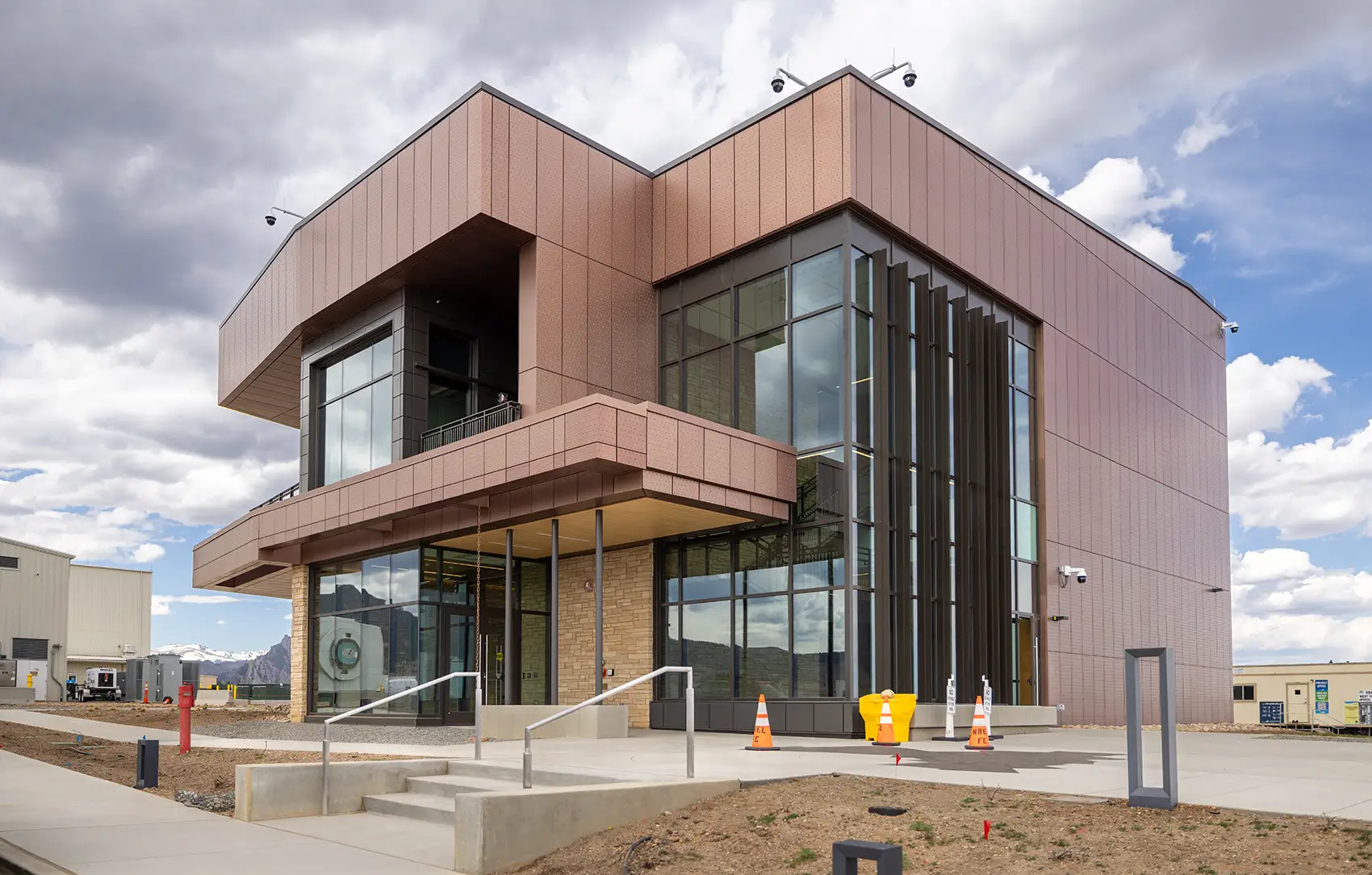
NLR also completed a new ARIES control center facility. For all the utility and grid operations work that ARIES supports, the control center is the hub. It is a familiar environment for operators, with immersive workstations for situational awareness. What sets it apart is its ARIES connections: high-speed fiber-optic connections to other laboratories via ESnet, real-time simulation capacity, and visualization of the cyber-physical proceedings in projects. Highly distinct are its AI-assisted operations, developed by researchers at NLR who are preparing utilities to incorporate AI for streamlined decisions and response.
Few Limits for the Future, Every Reason for ARIES
ARIES by the Numbers
- 204 ARIES research projects
- 18 DOE offices engaged
- More than 600 cross-lab collaborative researchers
- 37 active industry partners.
One of the greatest challenges across U.S. energy systems is risk management. Amid rapid buildout, a dynamic cyber domain, and constant innovation, the energy sector seeks reassurance.
In the 2025 ARIES Annual Report, NLR Director Jud Virden wrote: “Independent testing and validation of new energy technologies and their impact on energy systems will be key to providing increased energy generation while ensuring system reliability and security. We believe that NLR and the ARIES platform capabilities will be critical and central to resolving energy system and operational challenges. NLR’s combination of physical testing with high-fidelity emulation at scale provides the data and objective analysis needed by national, regional, and local stakeholders to make informed decisions—faster.”
The road ahead for the energy sector—clearly oriented toward more load, more supply, lower costs, and fewer outages—has plenty of risks to manage. Partners are drawn to ARIES to reduce those risks so they can move forward with validated, reliable energy systems.
ARIES, along with its connections throughout the Department of Energy laboratory complex, is at the service of U.S. industry and innovation. To see how ARIES can advance your energy system work, contact aries@nlr.gov.
Last Updated April 28, 2026